The Last of Us Creator Neil Druckmann Says He Never Plans for Sequels: ‘That Requires a Level of Confidence I Don’t Have’
Author : Madison
Feb 22,2025
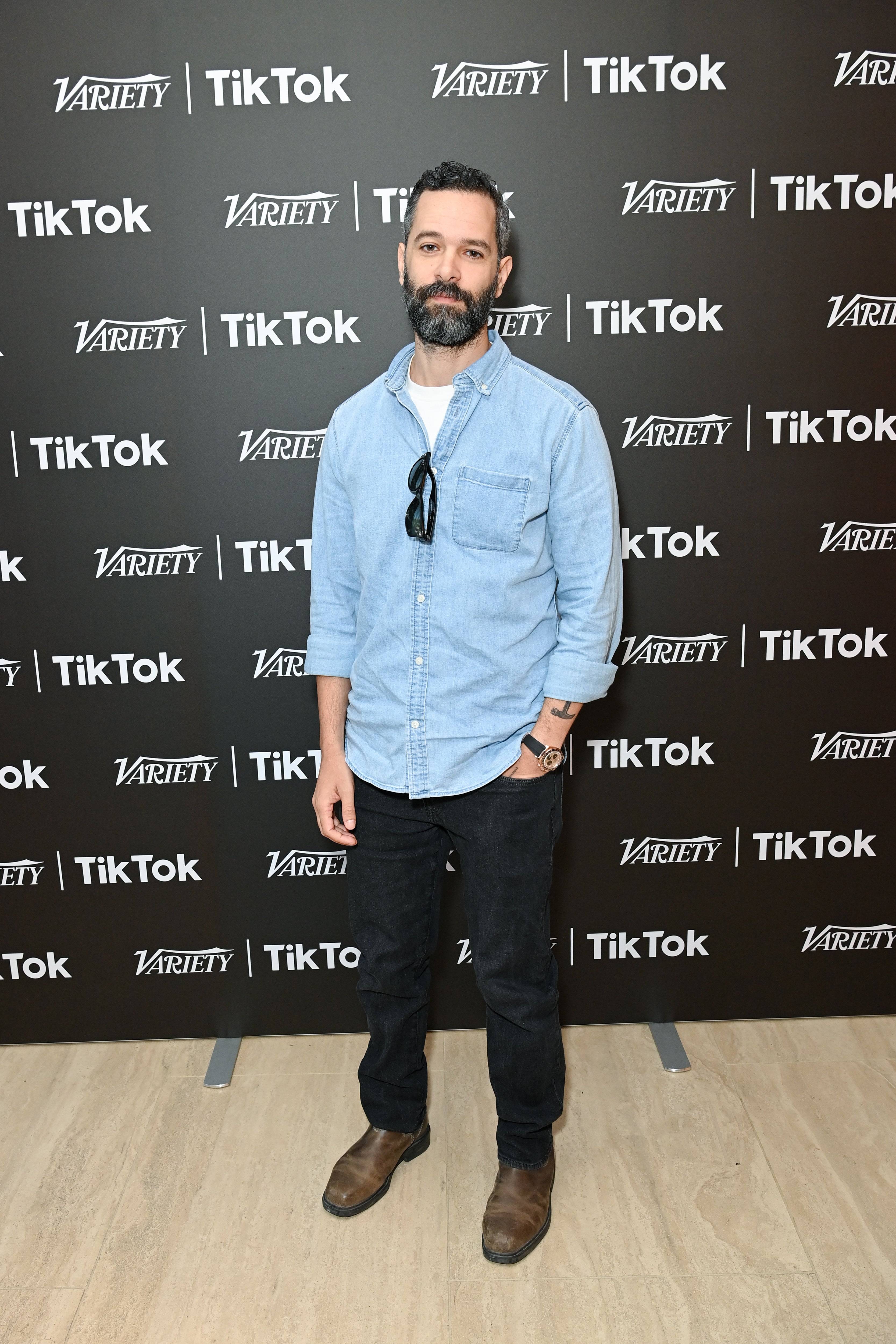
At the DICE Summit in Las Vegas, Naughty Dog's Neil Druckmann and Sony Santa Monica's Cory Barlog discussed the pervasive theme of doubt in game development. Their hour-long conversation covered personal insecurities, identifying successful ideas, and the challenges of character development across multiple games.
Druckmann surprisingly revealed he doesn't plan sequels in advance. His approach to The Last of Us Part II, and other sequels, was to treat each game as a standalone project. Any sequel ideas were spontaneous, not pre-planned elements. He emphasized focusing on the current project, rather than being distracted by future installments. He stated, "I just approach it as, ‘what if I never get to do another one?’" If an idea arises, he integrates it immediately. He uses past games to identify unresolved plot points and character arcs, determining future directions. If no compelling path exists, he considers concluding a character's journey. His approach to Uncharted, for example, involved retrospectively identifying opportunities for character growth and avoiding repetition.
Barlog, conversely, embraces long-term planning, connecting current projects to ideas conceived years prior. He described his method as a complex, albeit stressful, process involving numerous collaborators and shifting perspectives over time. He acknowledged the potential for conflict and disruption when long-term plans clash with evolving team dynamics.
Druckmann expressed a lack of Barlog's foresight, prioritizing immediate tasks over long-term strategic planning. He highlighted the intense pressure and occasional panic attacks associated with game development but emphasized his enduring passion for game creation. He shared an anecdote with Pedro Pascal, who described art as "the reason to wake up in the morning," a sentiment Druckmann wholeheartedly echoed.
Druckmann then questioned Barlog about the point of saturation, prompting Barlog to candidly discuss the relentless nature of creative ambition. He described the feeling of reaching a milestone as both exhilarating and terrifying, as the internal drive for further achievement never ceases. The "demon of obsession" continues pushing for more, regardless of accomplishments.
Druckmann, while sharing Barlog's sentiment, expressed a more measured approach. He mentioned his intention to gradually reduce his involvement in day-to-day operations, creating opportunities for others to lead and innovate. He cited Jason Rubin's advice upon leaving Naughty Dog, emphasizing the importance of creating space for others to grow. Barlog humorously responded with a declaration of retirement, concluding their insightful discussion.

Latest Articles

Firefighting Sim Emergency Call 112 Launches on Android
Emergency Call 112 – The Attack Squad arrives today on Android. Published by Aerosoft and developed by Crenetic, this game plunges you into the life of a firefighter. It was first released for PC in December 2023.What Are the Features?In the mobile e
Stellar Blade Creator Posts Record Year, PC Sales to Top PS5
Shift Up, the developer behind Stellar Blade, has achieved record-breaking financial success with its recent action RPG. The PlayStation 5 exclusive generated an impressive $43 million in royalties, while projections indicate the upcoming PC version
Nonogram Puzzle Game Marks 10 Years on Mobile
Ten years ago, Picture Cross launched as World’s Biggest Picture Cross, designed to be the ultimate nonogram experience on mobile. Today, with more than 10,000 puzzles, Picture Cross is marking its 10th anniversary with fresh modes and even more chal
Sesame Street Finds New Home on Netflix After HBO Max
The journey to Sesame Street continues. The beloved children's series, which first premiered in 1969, will now be available for streaming on Netflix and PBS after HBO and Max concluded their long-term agreement with the show at the end of 2024.New ep
Seven Knights Re:BIRTH: Global Android Pre-Registration Now Open
Netmarble is reviving one of its most beloved mobile RPGs with a fresh twist: Seven Knights Re:BIRTH. Global pre-registration is now live, and we’ve gotten our first glimpse of the game’s reimagined world.
The original Seven Knights launched in Octob
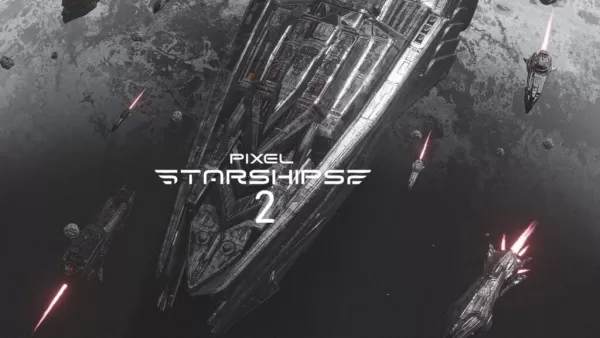
Pixel Starships 2 Android Pre-Register, Demo at Steam Fest
Pixel Starships 2 is coming to Android. Savy Soda's next chapter in their starship strategy series is scheduled to launch in early access this Fall for mobile and PC. Pre-registration is now open on Android for this sequel to the 2016 original.What's
Latest Games

Baalveer New Game
Trivia丨21.2 MB
Pro Pilkki 2 - Ice Fishing
Simulation丨113.5 MB

Rich Monkey
Card丨2.80M
Euchre Classic Card Game
Card丨36.00M

Football Games 2024 Offline
Sports丨49.6 MB


갓오브하이스쿨: 리부트
Role Playing丨175.7 MB

성녀 키우기
Simulation丨1.0 GB








Top News
MORE +

01
02-03
Roblox: Anime Adventures Codes (January 2025)
Anime Adventures Codes: A Comprehensive Guide to Free Gems and Rewards
This guide provides an up-to-date list of working and expired Anime Adventures codes in Roblox. Redeeming these codes grants valuable in-game gems and other rewards, giving you a head start in your adventure.
Updated January 5,
02
05-26
Enhance Your MU Immortal Experience with BlueStacks Features
MU Immortal captures the essence of classic MMORPG gameplay that fans adore—leveling up, enhancing stats, and crafting your ideal character. Designed primarily for mobile, the game truly shines when played on a PC using BlueStacks, thanks to an array of tools that streamline and enhance your gaming
03
05-16
"Clair Obscur: Expedition 33 Hits 1 Million Sales in 3 Days"
Clair Obscur: Expedition 33 has taken the gaming world by storm, achieving a phenomenal opening weekend by selling over 1 million copies just three days after its launch. This remarkable feat cements its status as the highest player-rated game of early 2025. Dive deeper into the journey of this grou
04
04-21
Roblox Anime Genesis: January 2025 Codes
Dive into the thrilling world of Anime Genesis, a dynamic tower defense game on Roblox where you assemble a squad of your favorite anime characters to fend off menacing monsters. Whether you're tackling levels solo or teaming up with friends, you'll earn gems that you can use to summon new heroes, e
05
01-20
New DLC and Preorder for FANTASIAN
FANTASIAN Neo Dimension: DLC and Pre-order Information
While anticipation for extra content is high, a FANTASIAN Neo Dimension DLC or story expansion is unlikely. Mistwalker head Hironobu Sakaguchi has stated his preference against sequels, aiming for complete, self-contained gaming experiences.
Topics
More +