
Nvidia GeForce RTX 5070 Ti Review
Author : Aaliyah
Feb 21,2025
The Nvidia GeForce RTX 5070 Ti: A Budget-Friendly 4K Gaming Powerhouse?
The Nvidia GeForce RTX 5090's underwhelming generational leap and high price point left many wanting. However, its sibling, the RTX 5070 Ti, offers a more compelling proposition. While not dramatically faster than its predecessor, its more affordable price tag makes it the most sensible Blackwell-architecture card for most consumers, particularly those without unlimited funds.
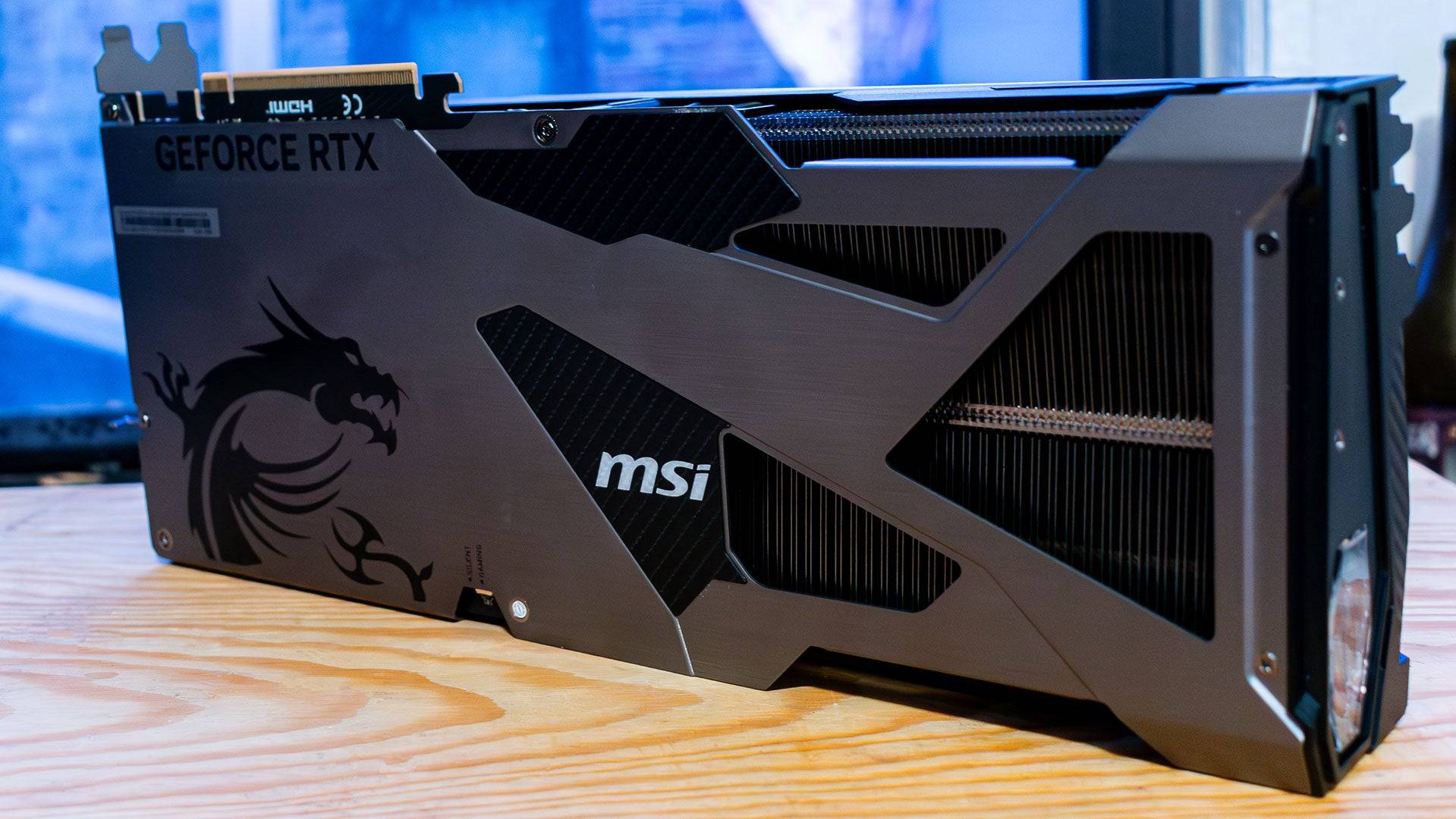
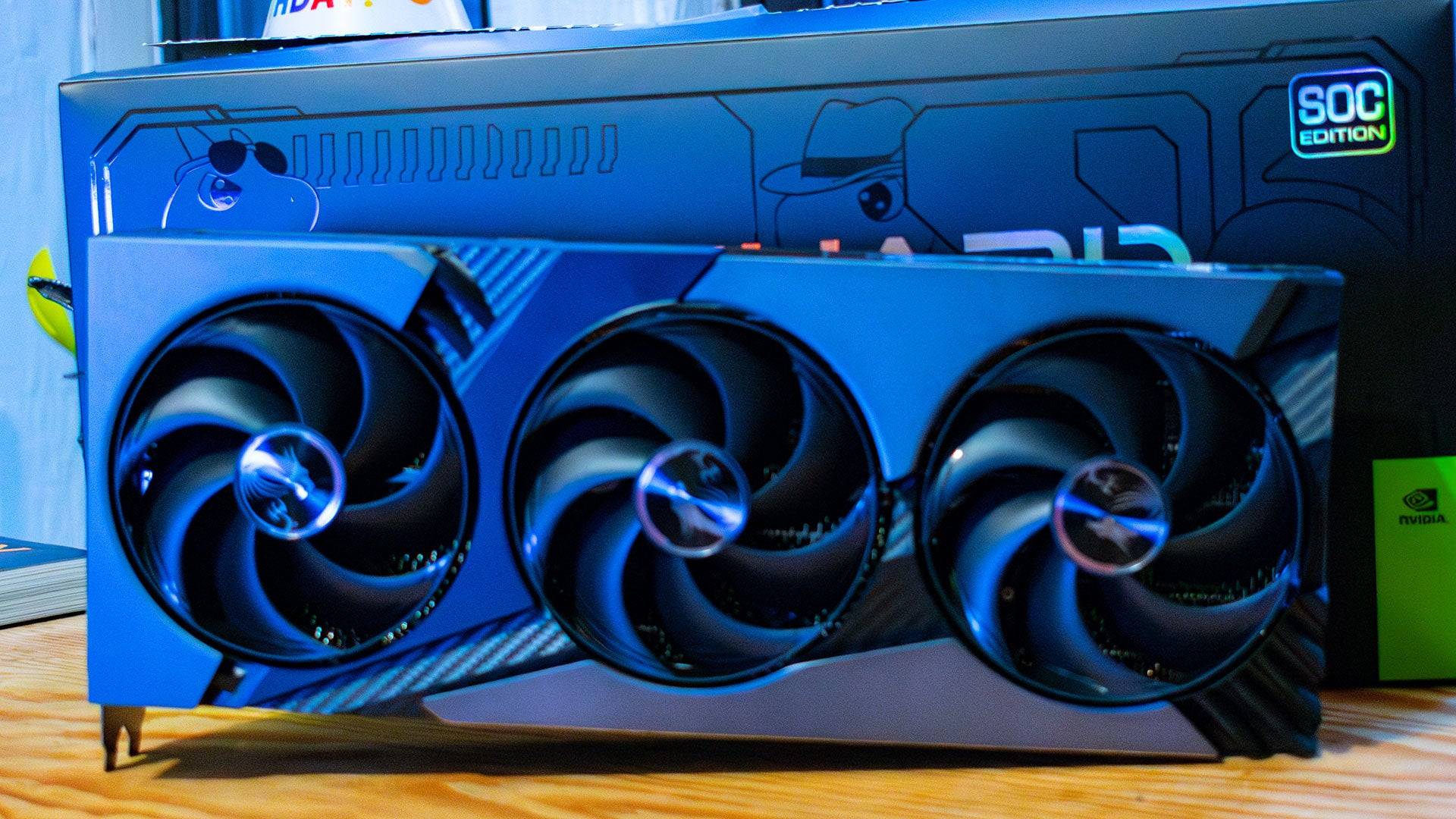
At its $749 MSRP, the RTX 5070 Ti excels as a 4K graphics card, effectively eclipsing the more expensive RTX 5080 (provided you can find either at their respective retail prices). It's crucial to note that review units, like the higher-priced MSI aftermarket model ($1099), skew the perception of value. At its base price, however, it's arguably the best graphics card for the majority of gamers, especially those aiming for 4K gaming.
Purchasing Guide
The Nvidia GeForce RTX 5070 Ti launched on February 20, 2025, with a starting price of $749. Remember, this is the base price; expect significant price variations across different models. While excellent value at $749, its appeal diminishes as the price approaches that of the RTX 5080.
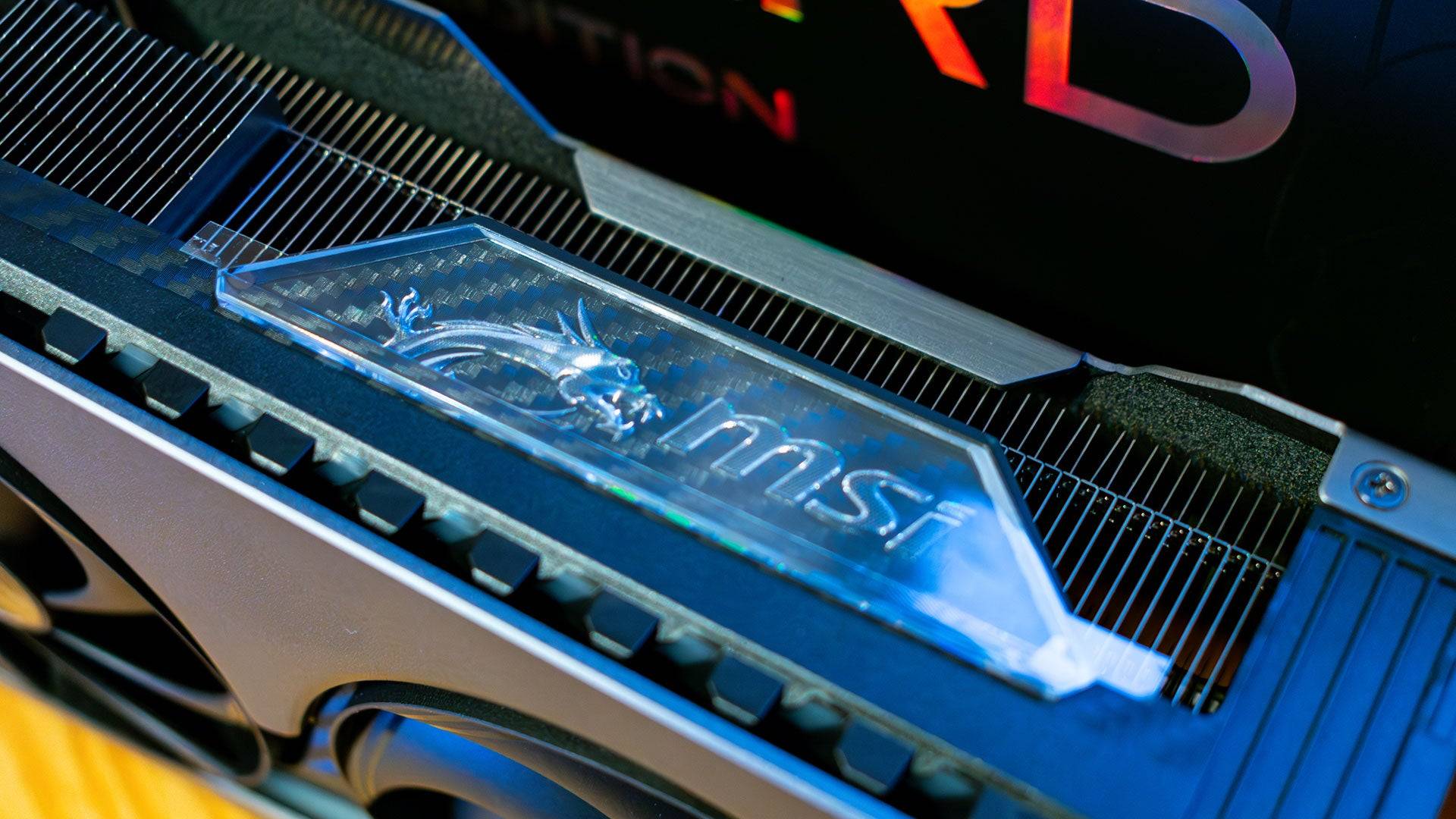
Nvidia GeForce RTX 5070 Ti – Image Gallery
 6 Images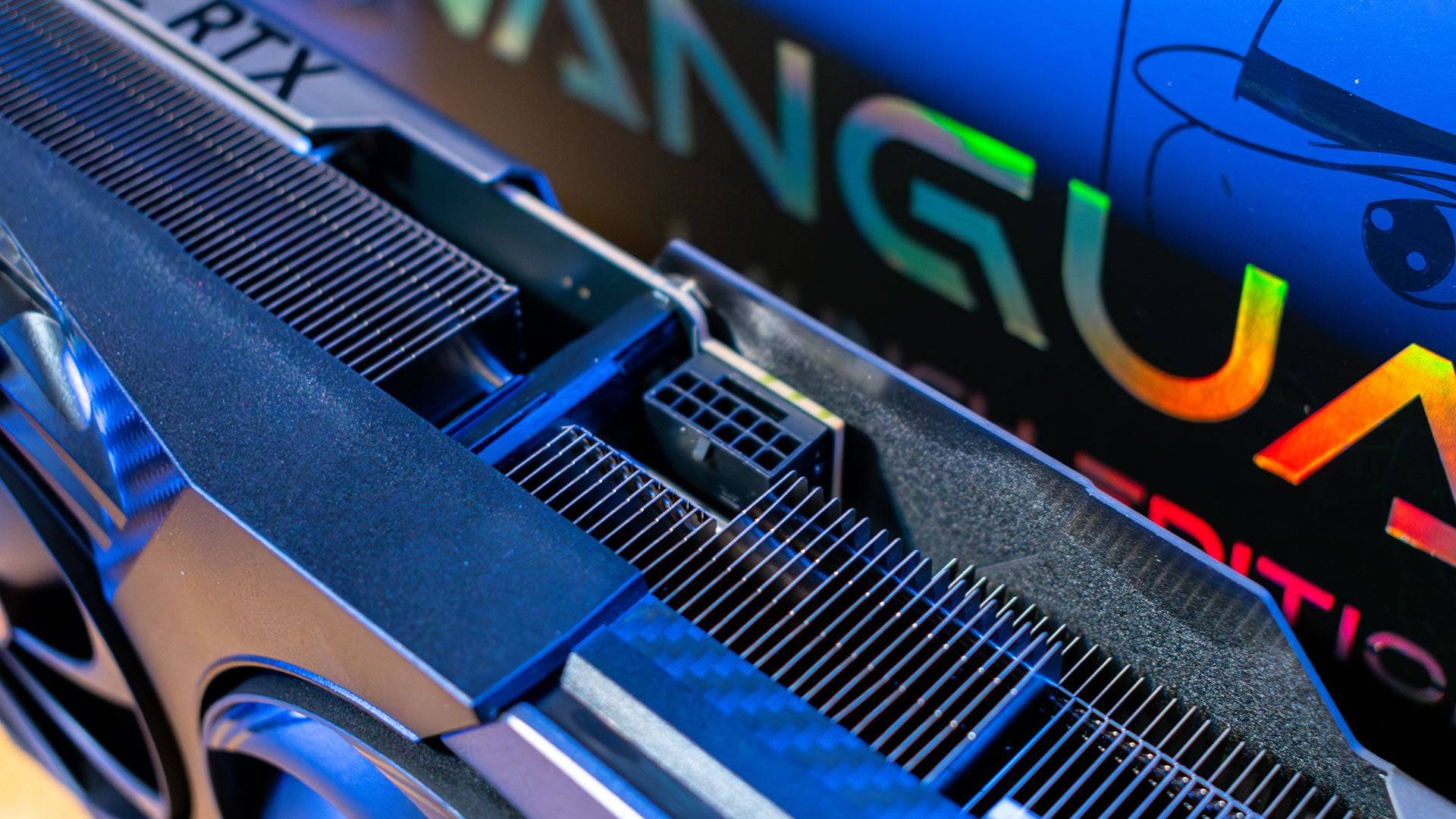
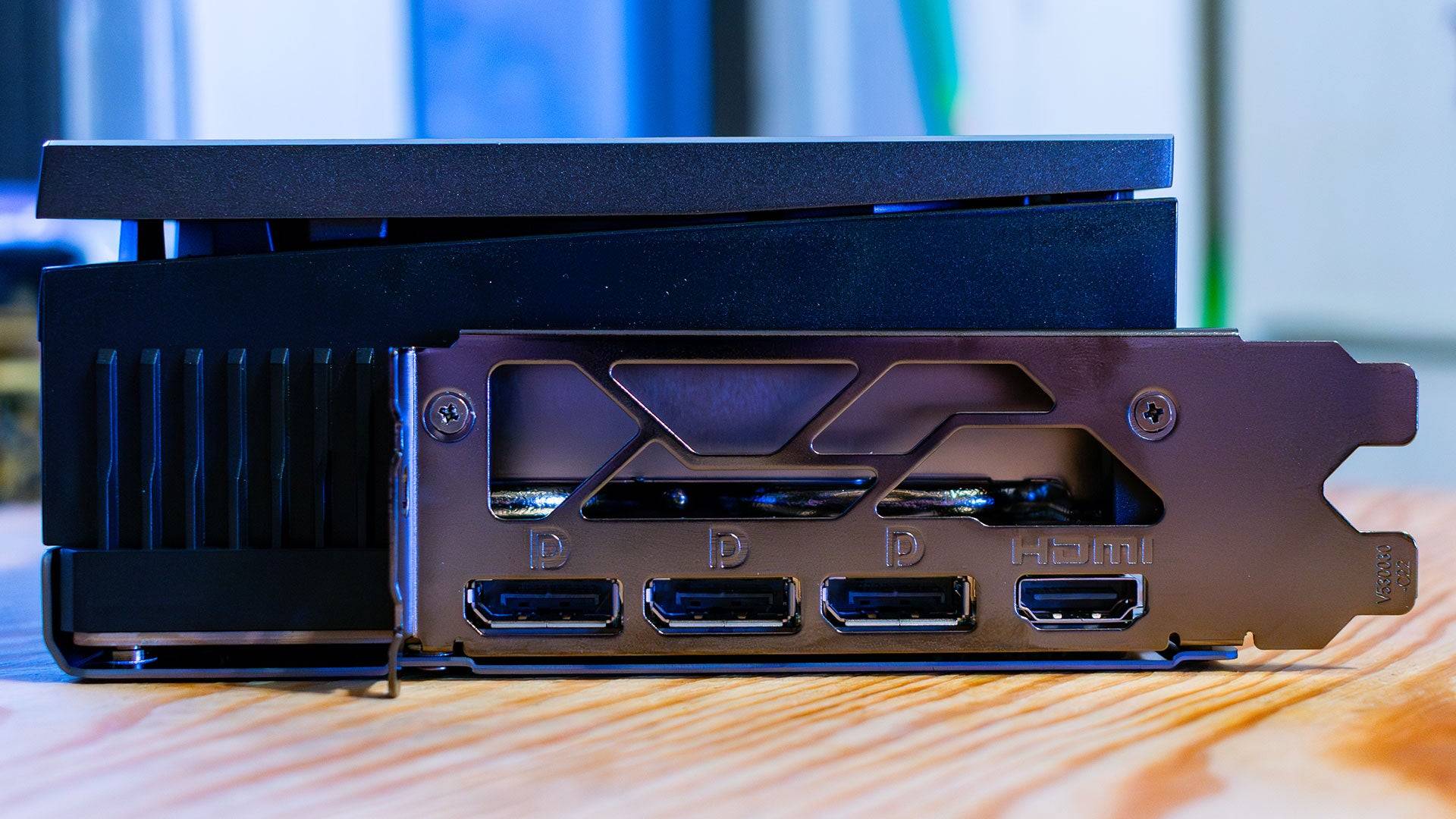

Specs and Features
The RTX 5070 Ti is the third Blackwell architecture GPU. Initially designed for AI supercomputers, this architecture has been adapted for gaming, retaining a strong AI focus.
Sharing the GB203 GPU with the RTX 5080, it features 70 Streaming Multiprocessors (SMs), resulting in 8,960 CUDA cores, 70 RT cores, and 280 Tensor Cores (14 SMs are disabled compared to the 5080). It also boasts 16GB of GDDR7 RAM, albeit slightly slower than the RTX 5080's. The Tensor Cores, however, are key. While CUDA cores offer a performance boost over the RTX 4070 Ti, Nvidia relies on AI upscaling and frame generation to maximize the card's potential.
Blackwell introduces an AI Management Processor (AMP), offloading workload previously handled by the CPU. This significantly improves the efficiency of DLSS and frame generation.
DLSS 4 utilizes a Transformer model instead of a CNN, enhancing image quality by reducing ghosting and artifacts. It also incorporates "Multi-Frame Generation" (MFG), generating up to three AI-generated frames for each rendered frame, potentially quadrupling frame rates. While this increases latency, Nvidia's Reflex technology aims to mitigate this.
With a 300W TBP, the RTX 5070 Ti's power consumption is comparable to the RTX 4070 Ti and 4070 Ti Super. Nvidia recommends a 750W PSU, but an 850W PSU is advisable, especially with high-end models.
DLSS 4: Is It Worth It?
While faster than its predecessor, the RTX 5070 Ti's primary selling point is DLSS 4, particularly MFG. High refresh rate monitors benefit greatly, although significant latency improvements shouldn't be expected.
MFG analyzes rendered frames and motion vectors to predict subsequent frames, generating new frames via AI. While the underlying technology isn't new, the scale is. Generating up to three frames per rendered frame can significantly increase frame rates, especially on high-end monitors. However, the improvement isn't always a 4x multiplier.
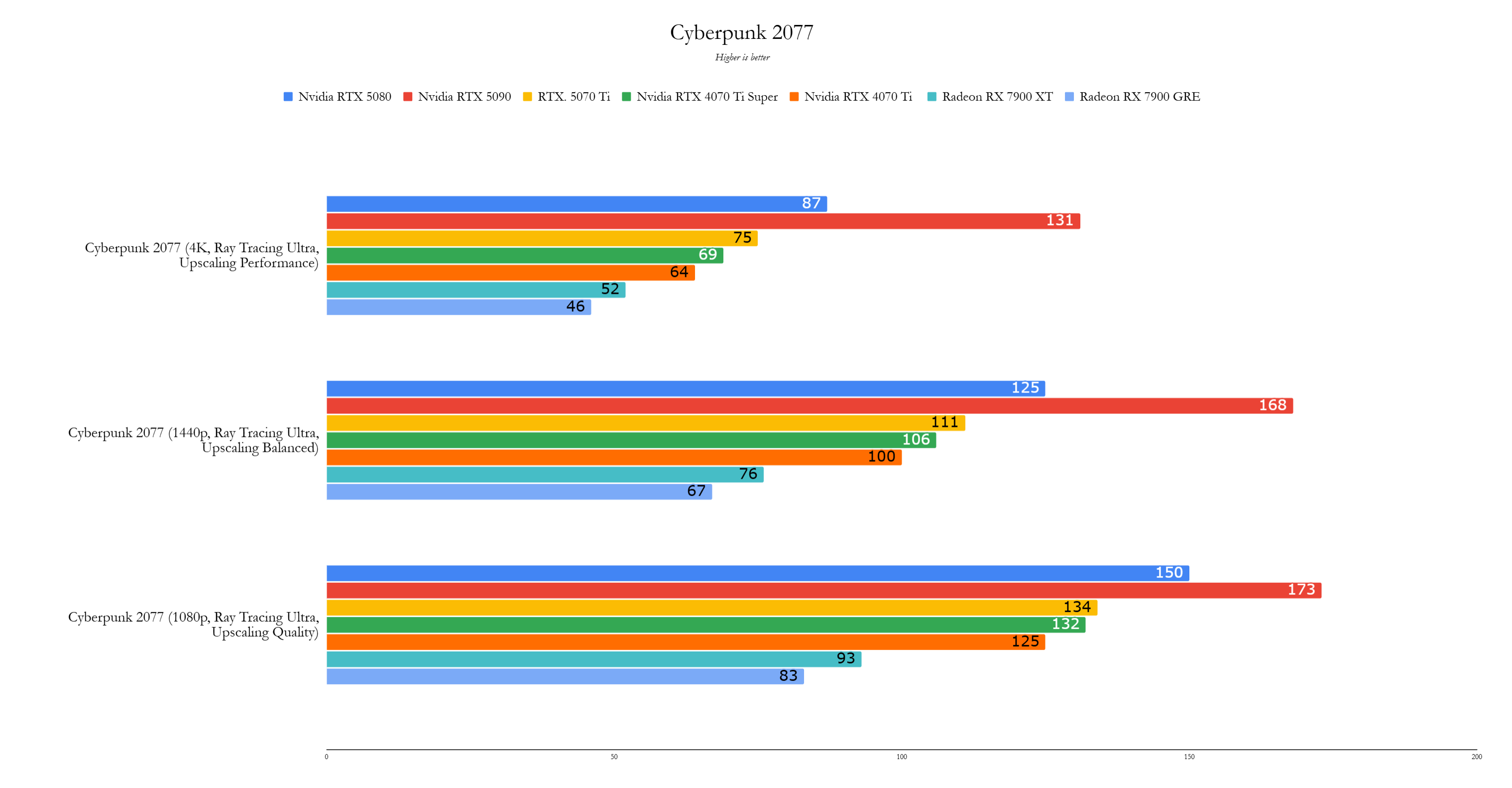
Testing in Cyberpunk 2077 and Star Wars Outlaws showed varying latency impacts, with frame generation sometimes reducing and sometimes increasing latency, depending on the game and settings. Optimal performance is achieved with higher base frame rates, as the algorithm has more data to work with.
Nvidia GeForce RTX 5070 Ti – Benchmark Results
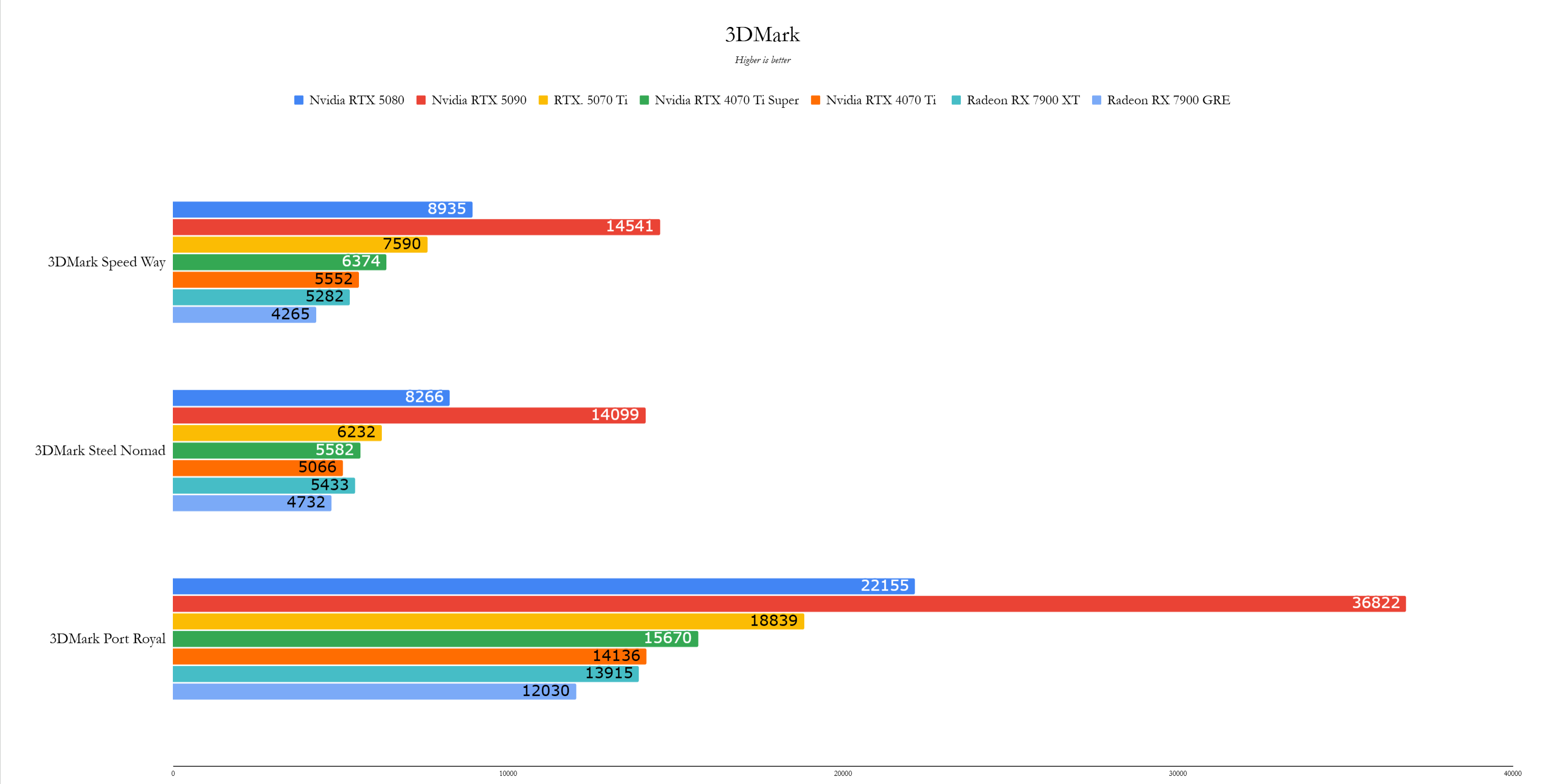
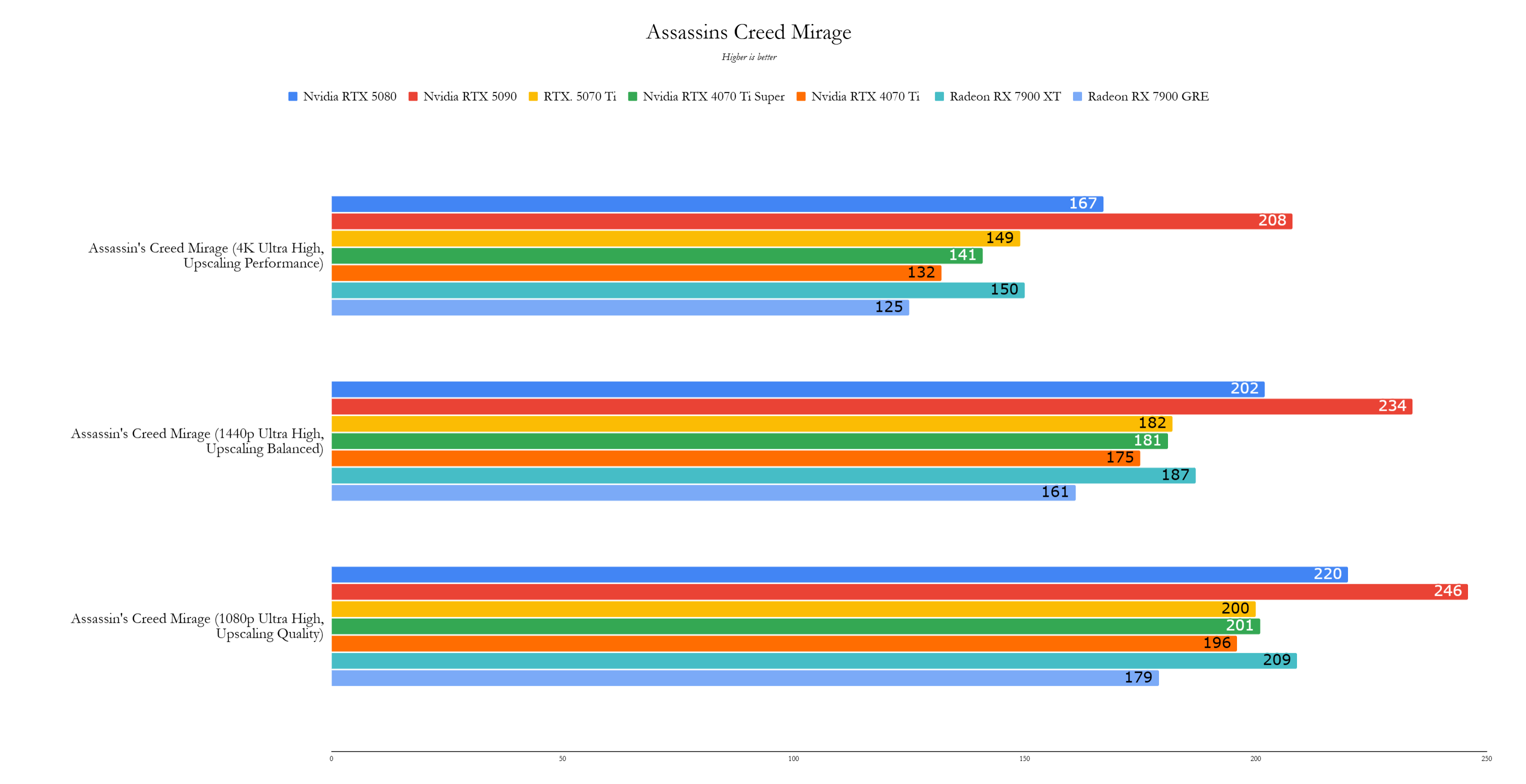 12 Images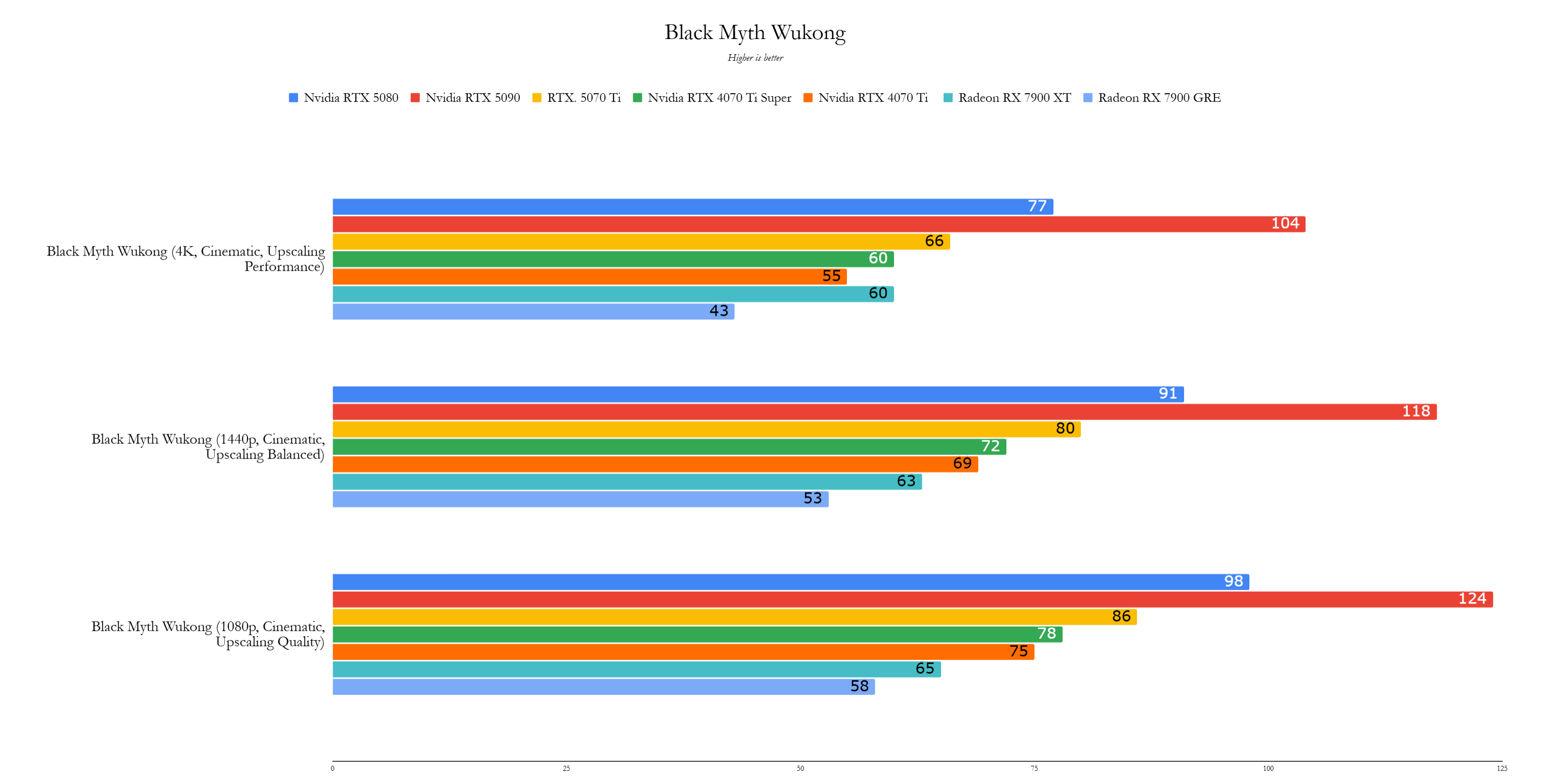
Performance
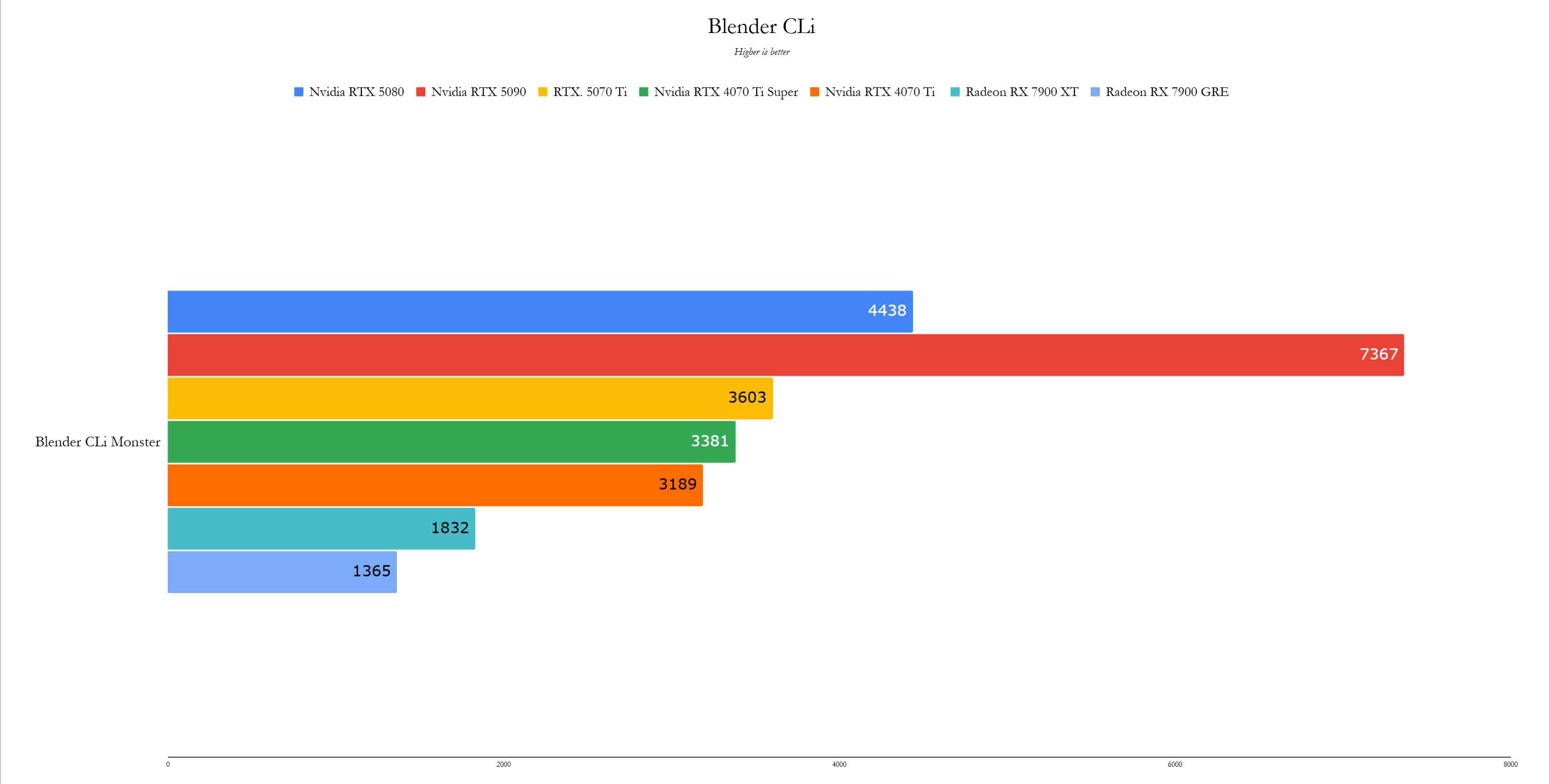
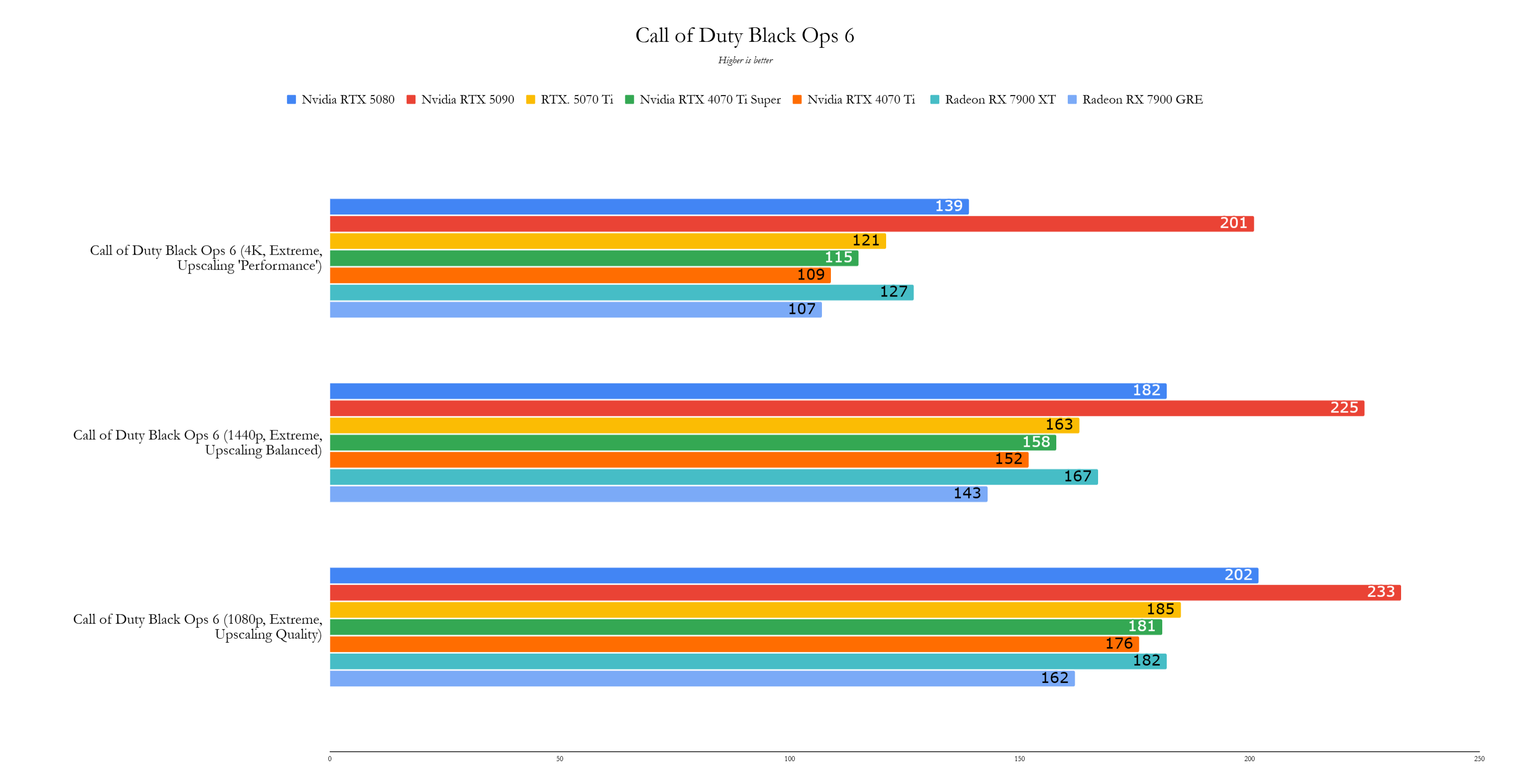
At 4K, the RTX 5070 Ti is approximately 11% faster than the RTX 4070 Ti Super and 21% faster than the RTX 4070 Ti. This surpasses the RTX 5080's generational improvement, making it the best value card in its generation. It consistently exceeded 60fps at 4K in demanding titles.
Testing was conducted with stock settings on an MSI Vanguard Edition card, and results are extrapolated to the $749 MSRP. All games were tested with the latest drivers and game versions, without frame generation, utilizing DLSS or FSR where applicable.
Benchmark results across various titles showed significant performance gains over the previous generation, particularly in 3DMark and Total War: Warhammer 3. However, some games (like Red Dead Redemption 2) showed marginal performance differences. Overall, the RTX 5070 Ti consistently delivered strong 4K performance.
Conclusion
The Nvidia GeForce RTX 5070 Ti, at its MSRP, offers excellent value as a 4K GPU. It provides a substantial performance improvement over its predecessor at a lower price point. While not perfect, it represents a strong contender in the mid-range 4K market.
Latest Articles

Firefighting Sim Emergency Call 112 Launches on Android
Emergency Call 112 – The Attack Squad arrives today on Android. Published by Aerosoft and developed by Crenetic, this game plunges you into the life of a firefighter. It was first released for PC in December 2023.What Are the Features?In the mobile e
Stellar Blade Creator Posts Record Year, PC Sales to Top PS5
Shift Up, the developer behind Stellar Blade, has achieved record-breaking financial success with its recent action RPG. The PlayStation 5 exclusive generated an impressive $43 million in royalties, while projections indicate the upcoming PC version
Nonogram Puzzle Game Marks 10 Years on Mobile
Ten years ago, Picture Cross launched as World’s Biggest Picture Cross, designed to be the ultimate nonogram experience on mobile. Today, with more than 10,000 puzzles, Picture Cross is marking its 10th anniversary with fresh modes and even more chal
Sesame Street Finds New Home on Netflix After HBO Max
The journey to Sesame Street continues. The beloved children's series, which first premiered in 1969, will now be available for streaming on Netflix and PBS after HBO and Max concluded their long-term agreement with the show at the end of 2024.New ep
Seven Knights Re:BIRTH: Global Android Pre-Registration Now Open
Netmarble is reviving one of its most beloved mobile RPGs with a fresh twist: Seven Knights Re:BIRTH. Global pre-registration is now live, and we’ve gotten our first glimpse of the game’s reimagined world.
The original Seven Knights launched in Octob
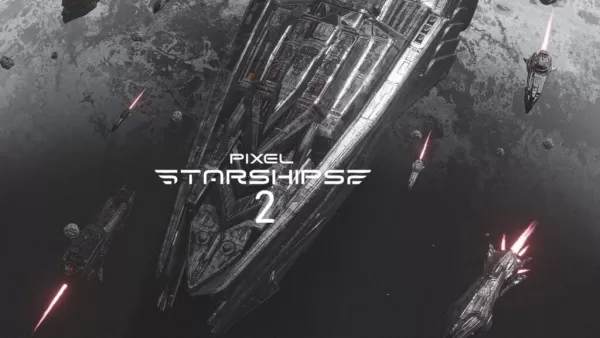
Pixel Starships 2 Android Pre-Register, Demo at Steam Fest
Pixel Starships 2 is coming to Android. Savy Soda's next chapter in their starship strategy series is scheduled to launch in early access this Fall for mobile and PC. Pre-registration is now open on Android for this sequel to the 2016 original.What's
Latest Games

Baalveer New Game
Trivia丨21.2 MB

Pro Pilkki 2 - Ice Fishing
Simulation丨113.5 MB

Rich Monkey
Card丨2.80M

Euchre Classic Card Game
Card丨36.00M


Football Games 2024 Offline
Sports丨49.6 MB


갓오브하이스쿨: 리부트
Role Playing丨175.7 MB

성녀 키우기
Simulation丨1.0 GB









Top News
MORE +

01
02-03
Roblox: Anime Adventures Codes (January 2025)
Anime Adventures Codes: A Comprehensive Guide to Free Gems and Rewards
This guide provides an up-to-date list of working and expired Anime Adventures codes in Roblox. Redeeming these codes grants valuable in-game gems and other rewards, giving you a head start in your adventure.
Updated January 5,
02
05-26
Enhance Your MU Immortal Experience with BlueStacks Features
MU Immortal captures the essence of classic MMORPG gameplay that fans adore—leveling up, enhancing stats, and crafting your ideal character. Designed primarily for mobile, the game truly shines when played on a PC using BlueStacks, thanks to an array of tools that streamline and enhance your gaming
03
05-16
"Clair Obscur: Expedition 33 Hits 1 Million Sales in 3 Days"
Clair Obscur: Expedition 33 has taken the gaming world by storm, achieving a phenomenal opening weekend by selling over 1 million copies just three days after its launch. This remarkable feat cements its status as the highest player-rated game of early 2025. Dive deeper into the journey of this grou
04
04-21
Roblox Anime Genesis: January 2025 Codes
Dive into the thrilling world of Anime Genesis, a dynamic tower defense game on Roblox where you assemble a squad of your favorite anime characters to fend off menacing monsters. Whether you're tackling levels solo or teaming up with friends, you'll earn gems that you can use to summon new heroes, e
05
01-20
New DLC and Preorder for FANTASIAN
FANTASIAN Neo Dimension: DLC and Pre-order Information
While anticipation for extra content is high, a FANTASIAN Neo Dimension DLC or story expansion is unlikely. Mistwalker head Hironobu Sakaguchi has stated his preference against sequels, aiming for complete, self-contained gaming experiences.
Topics
More +