
Civ 7 Redefines What it Means to Be a Leader
Author : Hazel
Mar 20,2025
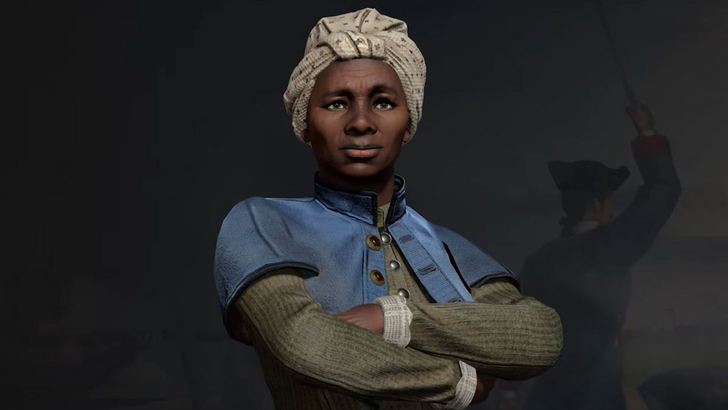
Civilization's leaders are as iconic as the civilizations themselves. Firaxis' approach to choosing each nation's representative has evolved significantly over the years. Let's explore Civilization VII's roster and how it redefines leadership.
← Return to Sid Meier's Civilization VII main article
Civ VII Redefines What it Means to Be a Leader
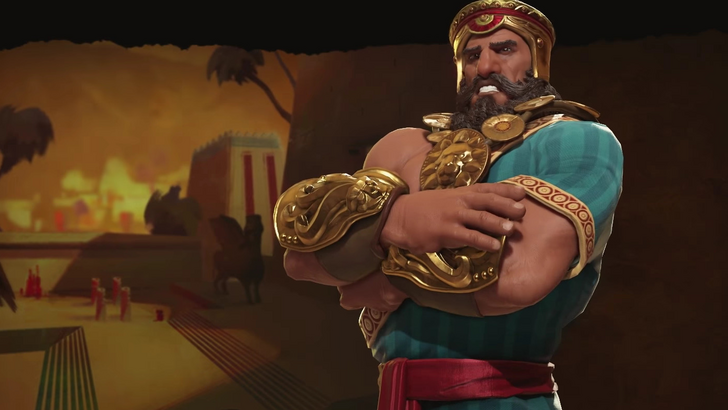
Civilization leaders have always been central to the series' identity, shaping gameplay since the first game. Each leader embodies their civilization, making them as crucial as the civilization itself. While their role remains constant, the types of leaders have diversified with each installment, refining the very definition of leadership within the game.
This exploration delves into Civilization's history, examining the evolution of its leader roster, the changes in each iteration, and how Civilization VII uniquely redefines leadership.
Early Civ: A Club of Superpowers
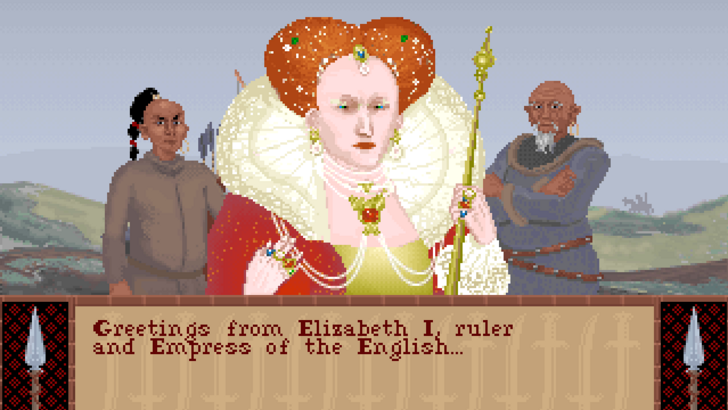
The original Civilization featured a relatively simple roster compared to later games. Most were established global superpowers or figures from antiquity.
With limited design scope and technical capabilities, the game included only 15 civilizations, featuring America, Rome, Greece, Japan, China, France, Egypt, and Russia, among others. Leadership was straightforward; leaders were historical heads of state. The selection prioritized widely recognized figures.
This resulted in leaders like Abraham Lincoln, Tokugawa Ieyasu, Mahatma Gandhi, and Julius Caesar, alongside more controversial figures like Mao Zedong and Joseph Stalin. Elizabeth I was the sole female leader. This was a direct, almost textbook approach—the most straightforward the series has ever seen. While understandable for its time, Civilization's approach evolved rapidly.
Civ II Through V: Increasing Diversity and Creativity
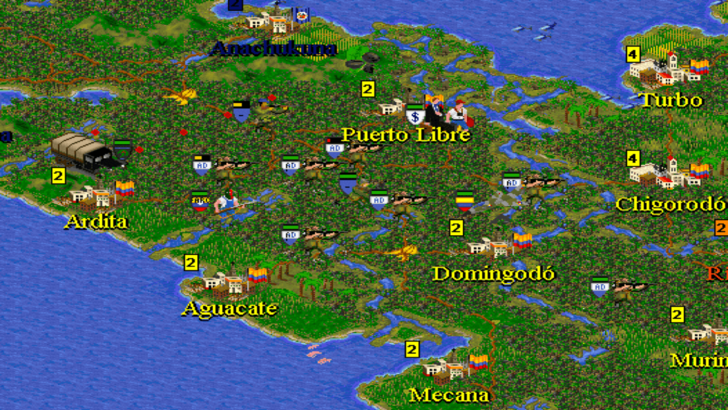
Civilization II expanded the roster and included lesser powers like the Sioux alongside established superpowers like Spain. Significantly, it introduced a separate roster of female leaders, providing both male and female options for each civilization.
The definition of "leader" broadened. Figures pivotal to their civilization's identity, even if not heads of state, took center stage. Examples include Sacagawea for the Sioux and Amaterasu for Japan.
Civ III integrated more female leaders into the main roster, with six in total. Some replaced historically dominant male counterparts; Joan of Arc replaced Napoleon for France, and Catherine the Great replaced Stalin for Russia.
Civ IV and Civ V significantly expanded the roster and the definition of leadership. Leaders were no longer solely heads of state; revolutionaries, generals, reformers, and even consorts became common. Traditional figureheads were replaced or doubled up (e.g., Wu Zetian replacing Mao Zedong for China, Victoria I and Elizabeth I for England). Civilization's narrative broadened beyond the famous to encompass a wider representation of humanity.
Civ VI: A More Spirited Roster
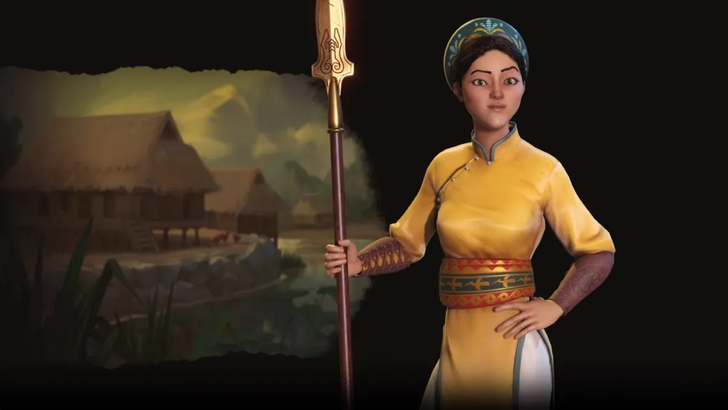
Civilization VI saw increased characterization, diversity, and creativity, presenting leaders as stylized animated caricatures. Leader Personas—alternative versions emphasizing different aspects of a leader's personality—offered diverse playstyles. Lesser-known figures from less prominent civilizations joined the roster.
Lautaro of the Mapuche, Bà Triệu of Vietnam, and Queen Gorgo of Sparta are prime examples. Leaders were no longer defined solely by their entire legacies but by specific chapters of their lives, foreshadowing Civ VII's approach. Multiple leader options for civilizations were introduced (e.g., America under Lincoln or Roosevelt; China under Qin Shi Huang, Wu Zetian, or Yongle). Leader Personas further diversified gameplay.
Civ VII: Fresh Faces and Unique Leaders
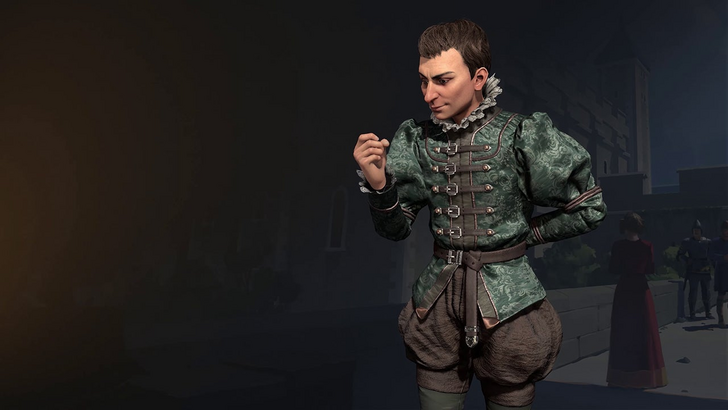
Civilization VII features the most diverse and creative roster yet, with unconventional leaders, multiple personas, and carefully curated selections for different playstyles. The mix-and-match approach to civilizations and leaders allows lesser-known figures to take the spotlight.
Harriet Tubman, the American abolitionist, is a notable example, filling a unique spymaster role. Niccolò Machiavelli, despite not being a head of state, embodies his diplomatic works. José Rizal of the Philippines is another example, focusing on diplomacy and narrative events.
Over nearly 30 years, Civilization has evolved from a game about superpowers to a diverse representation of humanity's great minds. The definition of leadership has changed, but its significance remains.
← Return to Sid Meier's Civilization VII main article
Sid Meier's Civilization VII Similar Games
Latest Articles
NetEase Lays Off Marvel Rivals Director, Seattle Team
NetEase, the developer of Marvel Rivals, has confirmed it reduced the size of its Seattle-based design team, citing organizational restructuring.Marvel Rivals Game Director Thaddeus Sasser recently announced on LinkedIn that he and his team were let
Humblets: Cozy Co-op Adventure Revealed for PC
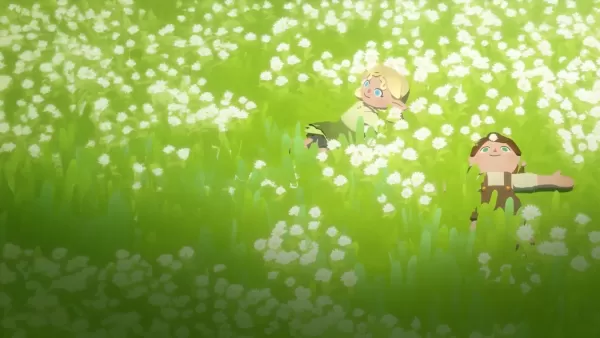
Developer Berry Bite and publisher HypeTrain Digital have unveiled Humblets, an upcoming cozy cooperative adventure for PC. Set within a charming procedurally generated world, the game promises vibrant landscapes, cute companion pets, and a magical c
Gran Saga shuts down next month
Gran Saga Announces Official ShutdownNPIXEL has confirmed Gran Saga will cease operations permanently on April 30th, 2025. The developers have already disabled in-app purchases and downloads ahead of the closure.A Brief International RunAfter launchi
Snowbreak adds Vidya - Celestial Swan in Fragments of Truth update
Expand your team with Vidya - Celestial SwanDiscover new costumes and gameplay optionsExperience the enhanced Spectral Fantasies eventFollowing the Abyssal Dawn update, Seasun Games introduces "Fragments of Truth" to Snowbreak: Containment Zone, brin
Worms-Style Ballistic Hero VNG Launches in Anime Universe
Ballistic Hero VNG offers a fresh take on the classic Worms-style formula.Annihilate your enemies (or friends) with a vast arsenal of outrageous weapons.Unlock exciting new loadouts and limited-edition skins, or design your own unique fighter.When it
Fortnite's Top Female Character Skins
Fortnite, Epic Games' groundbreaking battle royale, has captured massive appeal not just for its exciting gameplay but also for its constantly expanding assortment of character outfits. Female skins, in particular, are celebrated for their fashionabl
Latest Games
Solitario Piramide
Card丨3.40M


Bleach vs Naruto
Action丨99.59M

Succubus Challenge
Casual丨83.20M

Acquainted
Casual丨115.01M


One Day at a Time
Casual丨907.00M









Top News
MORE +
01
02-03
Roblox: Anime Adventures Codes (January 2025)
Anime Adventures Codes: A Comprehensive Guide to Free Gems and Rewards
This guide provides an up-to-date list of working and expired Anime Adventures codes in Roblox. Redeeming these codes grants valuable in-game gems and other rewards, giving you a head start in your adventure.
Updated January 5,
02
05-26
Enhance Your MU Immortal Experience with BlueStacks Features
MU Immortal captures the essence of classic MMORPG gameplay that fans adore—leveling up, enhancing stats, and crafting your ideal character. Designed primarily for mobile, the game truly shines when played on a PC using BlueStacks, thanks to an array of tools that streamline and enhance your gaming
03
05-16
"Clair Obscur: Expedition 33 Hits 1 Million Sales in 3 Days"
Clair Obscur: Expedition 33 has taken the gaming world by storm, achieving a phenomenal opening weekend by selling over 1 million copies just three days after its launch. This remarkable feat cements its status as the highest player-rated game of early 2025. Dive deeper into the journey of this grou
04
04-21
Roblox Anime Genesis: January 2025 Codes
Dive into the thrilling world of Anime Genesis, a dynamic tower defense game on Roblox where you assemble a squad of your favorite anime characters to fend off menacing monsters. Whether you're tackling levels solo or teaming up with friends, you'll earn gems that you can use to summon new heroes, e
05
01-20
New DLC and Preorder for FANTASIAN
FANTASIAN Neo Dimension: DLC and Pre-order Information
While anticipation for extra content is high, a FANTASIAN Neo Dimension DLC or story expansion is unlikely. Mistwalker head Hironobu Sakaguchi has stated his preference against sequels, aiming for complete, self-contained gaming experiences.
Topics
More +