
It seems there may be a mix-up in your query. The phrase "Cardinals Monitor Conclave" refers to the process by which the College of Cardinals elects a new Pope in the Roman Catholic Church—an event known as a papal conclave. However, "Future Election Prep" might suggest a political context, which is unrelated to the Catholic Church’s conclave. To clarify: Cardinals and Conclave: The College of Cardinals gathers in the Sistine Chapel (Vatican City) to elect a new Pope following a vacancy. This process is highly secretive and spiritual in nature, not a political election. Future Election Prep: If you're referring to preparations for a future political election (e.g., a U.S. presidential election), that would involve political parties, campaigns, and public policy—entirely separate from the papal conclave. If you meant to ask about: How cardinals prepare for a conclave, The structure and tradition of a papal conclave, Or how the Catholic Church selects a new Pope, please clarify so I can provide accurate and helpful information. Alternatively, if you’re drawing a metaphorical connection between the conclave and political elections, I can explore that as well—though it’s important to note that the Catholic conclave is not a political event, but a religious one. Let me know how you’d like to proceed!
著者 : Lucy
Apr 03,2026
It seems there’s a factual inaccuracy in the passage you've shared. As of now, Pope Francis is still alive and serving as the head of the Catholic Church. He has not died, and therefore, no conclave has been convened to elect a new pope.
The mention of "the death of Pope Francis in late April" is incorrect. The film Conclave, released in 2024 and starring Ralph Fiennes as the Dean of the College of Cardinals, is a work of fiction. While it is widely praised for its dramatic tension and meticulous attention to detail—drawing on real rituals, traditions, and structures within the Vatican—it does not reflect actual events. The idea that cardinals are using the film to prepare for a real conclave due to the pope’s death is therefore speculative or entirely fictional.
That said, the film has sparked significant interest and discussion within religious and academic circles. Its realistic portrayal of the conclave process—such as the sealed meetings in the Sistine Chapel, the voting procedures, the secrecy, and the political maneuvering among cardinals—has led many to commend its authenticity. Some clergy and observers have indeed noted that it provides a compelling, if dramatized, window into the inner workings of one of the most secretive processes in global religion.
So, to clarify:
- Pope Francis is alive and in good health.
- No conclave has taken place following his death — because he has not died.
- The film Conclave is fictional, but its influence on public understanding of the conclave process is real and notable.
- Some cardinals or theologians may have watched it for insight or context, but there is no verified evidence that it has been used as an official guide for an actual election.
In short, while the story you’ve shared is imaginative and gripping, it blends fiction with current events in a way that misrepresents the present state of the Catholic Church. The real conclave will only occur upon the vacancy of the papal throne—whether by resignation, death, or other circumstances. Until then, Conclave remains a powerful piece of storytelling, not a procedural manual.
最新の記事
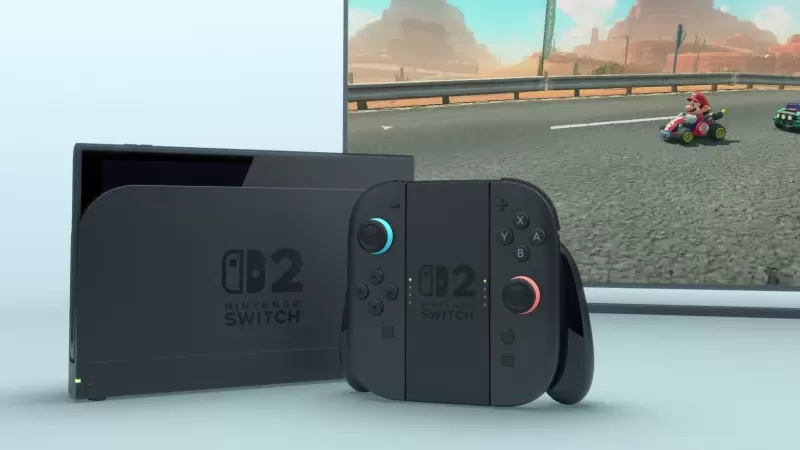
トランプ関税で日本のゲーム株が急落
日本のビデオゲーム企業は、ドナルド・トランプ大統領による新関税発表を受け、株式市場で大幅な下落を経験した。ホワイトハウスの関係者は、4月9日より「最悪の加害者」と見なされる約60か国を対象とした targeted な対等関税を適用すると示唆した。この政策により、日本には24%という個別の関税率が課されることになっている。行政当局者は、これらの国々が米国輸出に対してより高い関税を設定し、制限的な非関税障壁を維持しているか、米国の経済的利益を損なうと見なされている慣行を行っていると考えている。関税は
『IT』と『アヌンビアス』の作家・プロデューサー、メディア「ザ・ミディアム」のスクリーン権利を獲得。「ブルーバーが開発するものはすべて、ユニークで恐ろしい方法でホラーを前進させるだろう」
ITと『アナベル』の脚本・プロデューサーであるゲイリー・ダウバーマンが、ブロオバーチームの『ザ・ミディアム』をスクリーンに持ち込む準備を進めている。
ハリウッド・レポートの報道によれば、ダウバーマンはブロオバーの緊張感あふれるホラータイトルである『ザ・ミディアム』の映画化権を獲得したが、監督や脚本家は未だ発表されていない。
「その魅力的なストーリーと信じがたいほど映像的なビジュアルにより、『ザ・ミディアム』は長編映画への適応にうってつけです」とダウバーマンは声明の中で述べた。
「[CEO]ピオト
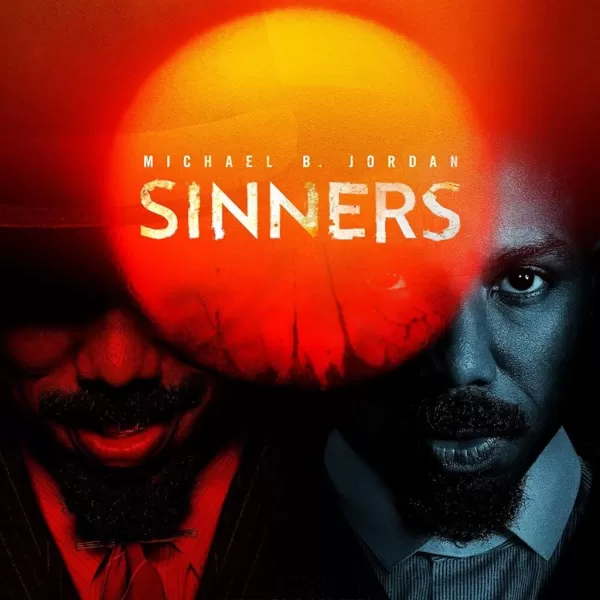
映画『SINNERS』興収3億5000万ドル突破、デジタル配信開始
監督ライアン・クーグラーは快進撃を続けている。エリック・ゴールドマンがIGNのレビューで指摘するように、「ボクシングドラマとスーパーヒーロー映画を見事にマスターしたクーグラーは、今や吸血鬼時代劇『SINNERS』によってホラーも制覇した。当然ながら、彼は再びジャンルの成功作を送り出している。」本作は4月18日に劇場公開され、商業的成功と批評家からの称賛の両方を手にした。スクリーンから家庭用視聴へ『SINNERS』は(クーグラー自身も推奨するように)劇場での鑑賞に値する作品だが、今や自宅での視聴オ

『モニュメント・バレー3』ドキュメンタリーが明かす制作の舞台裏
Ustwo Gamesは、短編ドキュメンタリー「Building the Impossible: The Making of Monument Valley 3」を公開しました。本作は先週PCおよびコンソールでリリースされ、この新しい映像作品では、最新のパズルアドベンチャーの創作プロセスへの深い洞察を提供しています。ゲームはAndroidで利用可能ですか?---------------------------------『Monument Valley 3』は、2024年12月にNetflix

マインドセットGO!、新しいベーン図パズルゲームを発売
Mindset GO! は、スマートカジュアルなパズルジャンルを新たな高みへと引き上げます。Android、iOS、Web 上で利用可能となり、独自のゲームプレイメカニクスを通じて鋭い観察力と論理的推論を融合させています。Magicave によって開発された本作は、ベクトル図(ベン図)のロジックを連想させるシステムを採用し、仕分け、スライド、そして解法を見つけることで進んでいく仕組みとなっています。
シンプルなコンセプト
Mindset GO! はミニマリストなパズル体験で、共通する特徴に基づい
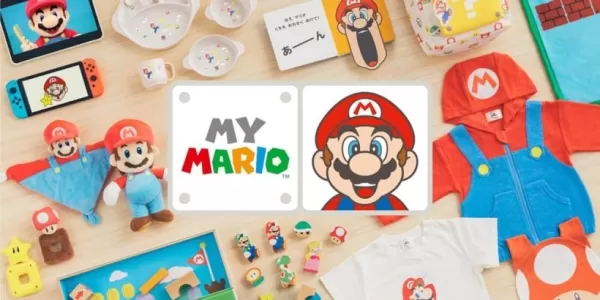
『ハロー、マリオ!』は任天堂のマリオ戦略の一環として開発された子供向け新アプリです
こんにちは、マリオ!は任天堂のマリオ・ライフスタイル体験への最新の取り組みです。
それは新しいマイマリオ製品ラインの一部です。
N64版のようにマリオの顔を優しくつついたり、押したり、つまんだりして、さまざまな楽しい反応を引き出しましょう。オリジナル(またはDS移植版)で育った世代なら、まだスーパーマリオ64を覚えているはずです。プラットフォームゲームにおける画期的な飛躍であり、間違いありませんでした。しかし、私たちの想像力を本当につかんだのは何だったのでしょうか?新しく3Dレンダリングされたマ
最新のゲーム


Secret Forest
カード丨28.10M




Lucky Devil
カード丨82.40M


Southern Poker
カード丨2.00M

Gabbys DollHouse Tiles Hop
音楽丨66.80M









トップニュース
もっと +


01
02-03
Roblox:アニメアドベンチャーコード(2025年1月)
アニメアドベンチャーコード:無料の宝石と報酬の包括的なガイド
このガイドは、Robloxの作業および期限切れのアニメアドベンチャーコードの最新リストを提供します。 これらのコードを償還することは、貴重なゲーム内の宝石やその他の報酬を付与し、冒険に有利なスタートを切ることができます。
1月5日更新、
02
05-26
BlueStacks機能でMU Immortalエクスペリエンスを強化します
Mu Immortalは、ファンが崇拝する古典的なMMORPGゲームプレイの本質を捉えています。主にモバイル向けに設計されたゲームは、ゲームを合理化および強化するツールの配列のおかげで、Bluestacksを使用してPCで再生されると本当に輝きます
03
05-16
「Clair Obscur:Expedition 33は3日間で100万人の売り上げを打つ」
Clair Obscur:Expedition 33はゲームの世界を席巻し、発売からわずか3日後に100万枚以上のコピーを販売することで週末の驚異的なオープニングを達成しました。この驚くべき偉業は、2025年初頭の最高のプレイヤー評価のゲームとしての地位を固めています。
04
04-21
Roblox Anime Genesis:2025年1月コード
アニメジェネシスのスリリングな世界に飛び込みます。これは、お気に入りのアニメキャラクターのチームを組み立てて、恐ろしいモンスターをかわすために、アニメ創世記のダイナミックなタワーディフェンスゲームです。あなたがレベルにソロに取り組んでいるか、友人とチームを組んでいるかにかかわらず、あなたは新しいヒーローを召喚するために使用できる宝石を獲得します、e
05
01-20
FANTASIAN の新しい DLC と予約注文
FANTASIAN Neo Dimension: DLC およびプレオーダー情報
追加コンテンツへの期待は高いものの、FANTASIAN Neo Dimension DLC やストーリー拡張の可能性は低いです。 ミストウォーカーの責任者である坂口博信氏は、完全で自己完結型のゲーム体験を目指し、続編には反対の意向を示しています。