Every iPhone Generation: A Full History of Release Dates
Author : Zoe
Feb 24,2025
The Apple iPhone: A Comprehensive History of Every Generation
The iPhone, a 21st-century marvel, boasts over 2.3 billion units sold globally. Its revolutionary design has redefined the smartphone landscape. With 17 years and numerous models under its belt, let's explore the complete chronological history of every iPhone released, from 2007 to 2024.
A Total of 24 iPhone Generations
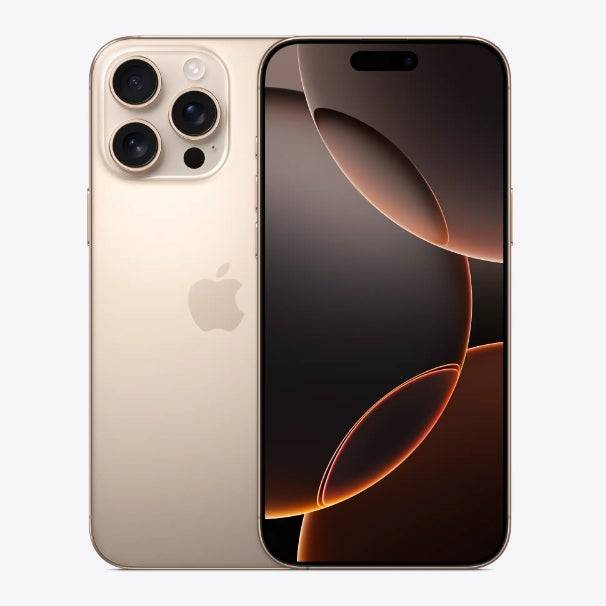
To date, there have been 24 distinct iPhone generations. This includes variations like the Plus and Max series, as well as distinct models such as the iPhone SE and iPhone XR. Each year, since the original 2007 release, has seen at least one new iPhone model.
How Often Do You Upgrade?
Every iPhone Generation:
iPhone (June 29, 2007)
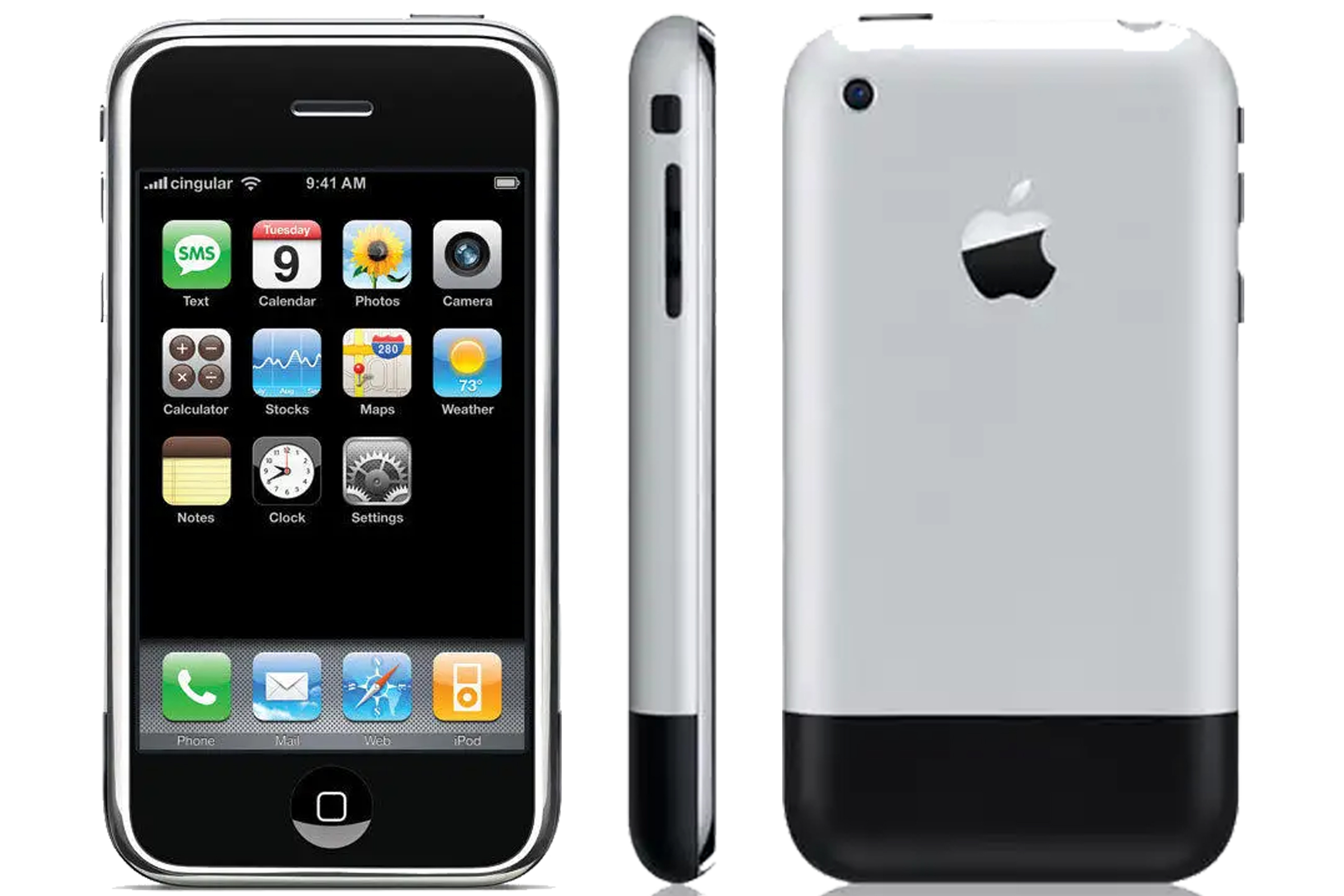
The groundbreaking original iPhone, launched on June 29, 2007, seamlessly integrated iPod, phone, and internet capabilities. Its innovative touchscreen interface, replacing the traditional keypad, marked a significant leap in smartphone technology. Featuring a 3.5-inch display and a 2-megapixel camera, it laid the foundation for the modern smartphone era.
iPhone 3G (July 11, 2008)
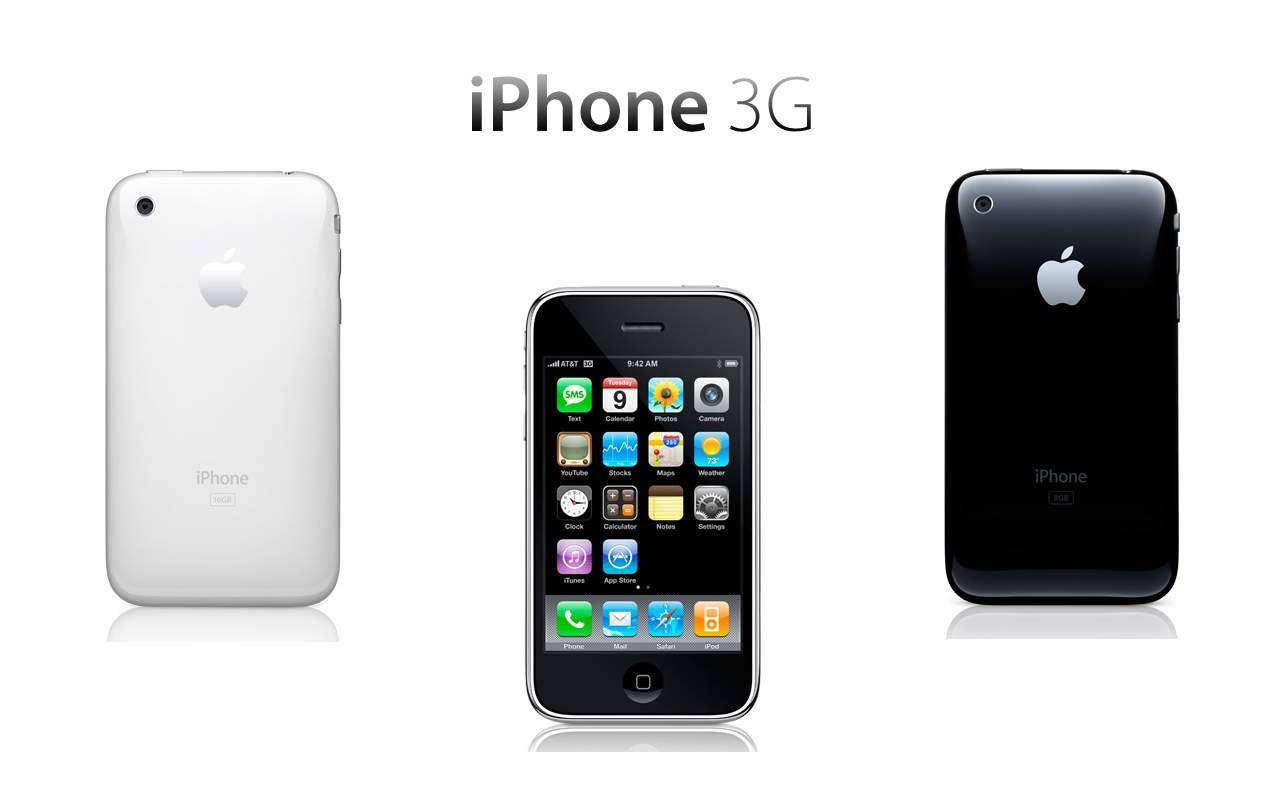
The iPhone 3G introduced 3G connectivity, significantly boosting data speeds. More importantly, it debuted the App Store, revolutionizing mobile app development and user experience.
iPhone 3GS (June 19, 2009)
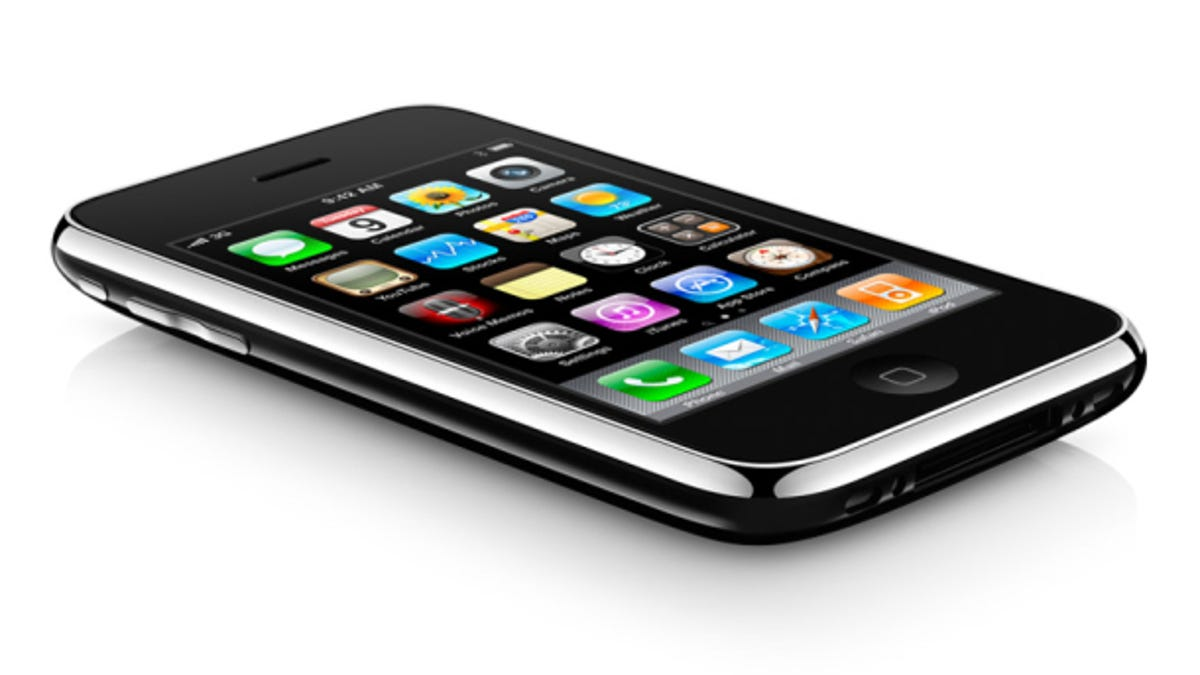
The iPhone 3GS featured an upgraded 3-megapixel camera and doubled the processing speed of its predecessor. Increased storage options further enhanced the App Store experience.
iPhone 4 (June 24, 2010)
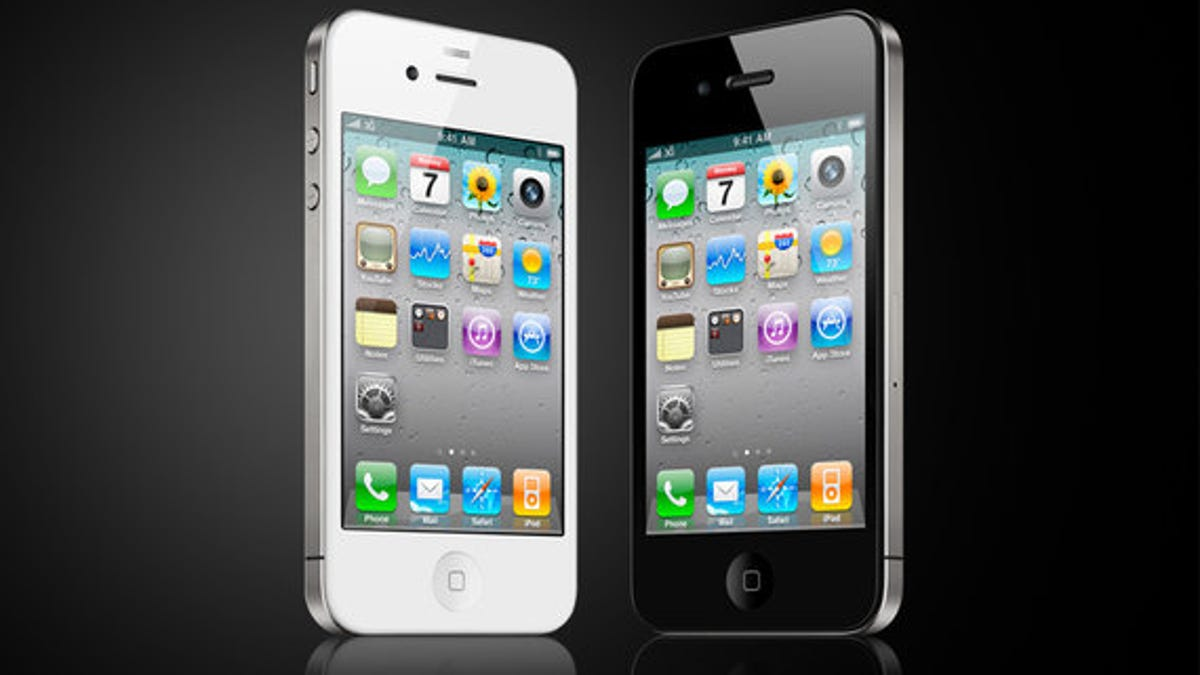
The iPhone 4 introduced FaceTime for video calling and a 5-megapixel camera with HD video recording and LED flash. It also boasted Apple's first Retina display, enhancing text readability.
iPhone 4S (October 14, 2011)
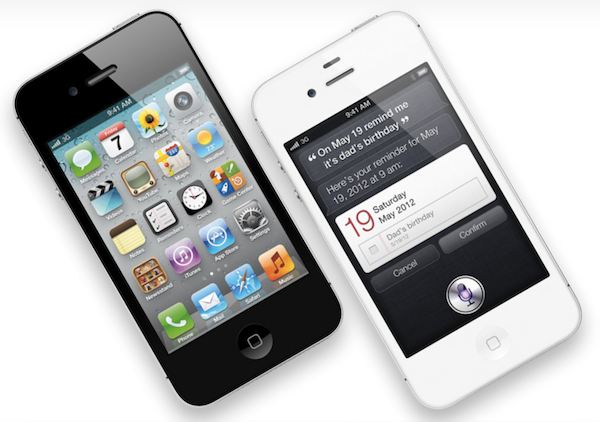
The iPhone 4S is best remembered for the introduction of Siri, Apple's virtual assistant. It also featured an 8-megapixel camera with 1080p video recording and launched iCloud and iMessage.
iPhone 5 (September 21, 2012)
The iPhone 5 supported LTE, significantly improving data speeds. Improved audio capabilities and the introduction of the Lightning port rounded out its features.
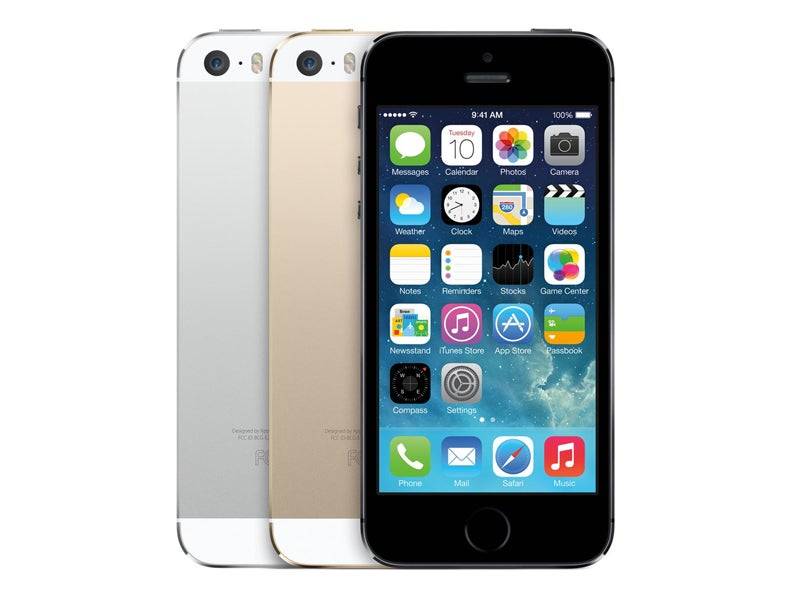
iPhone 5S (September 20, 2013)
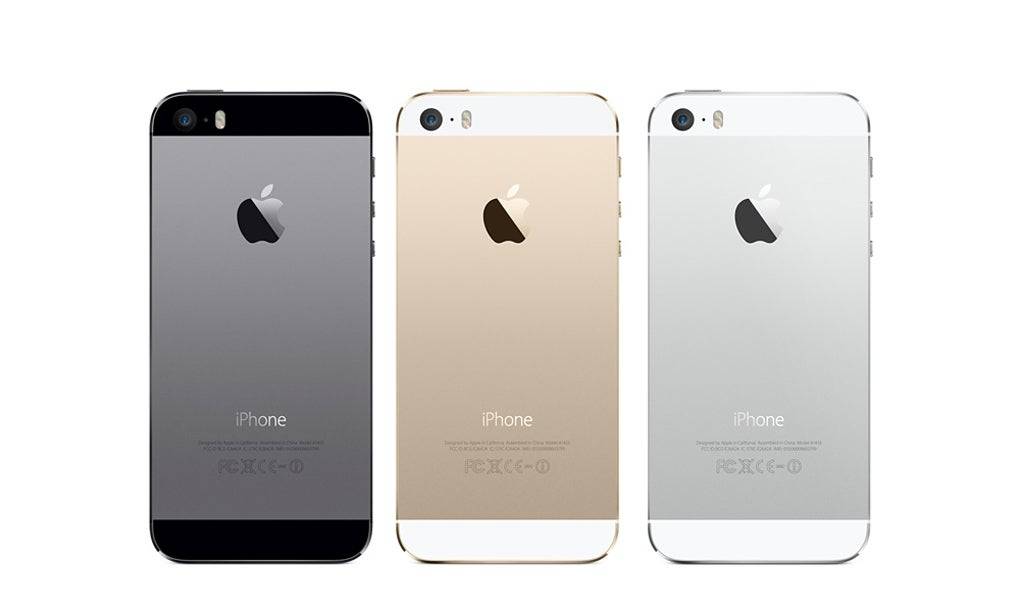
The iPhone 5S introduced Touch ID fingerprint authentication, a feature that became a staple for several generations. It also featured the A7 processor and enhanced camera technology.
iPhone 5C (September 20, 2013)
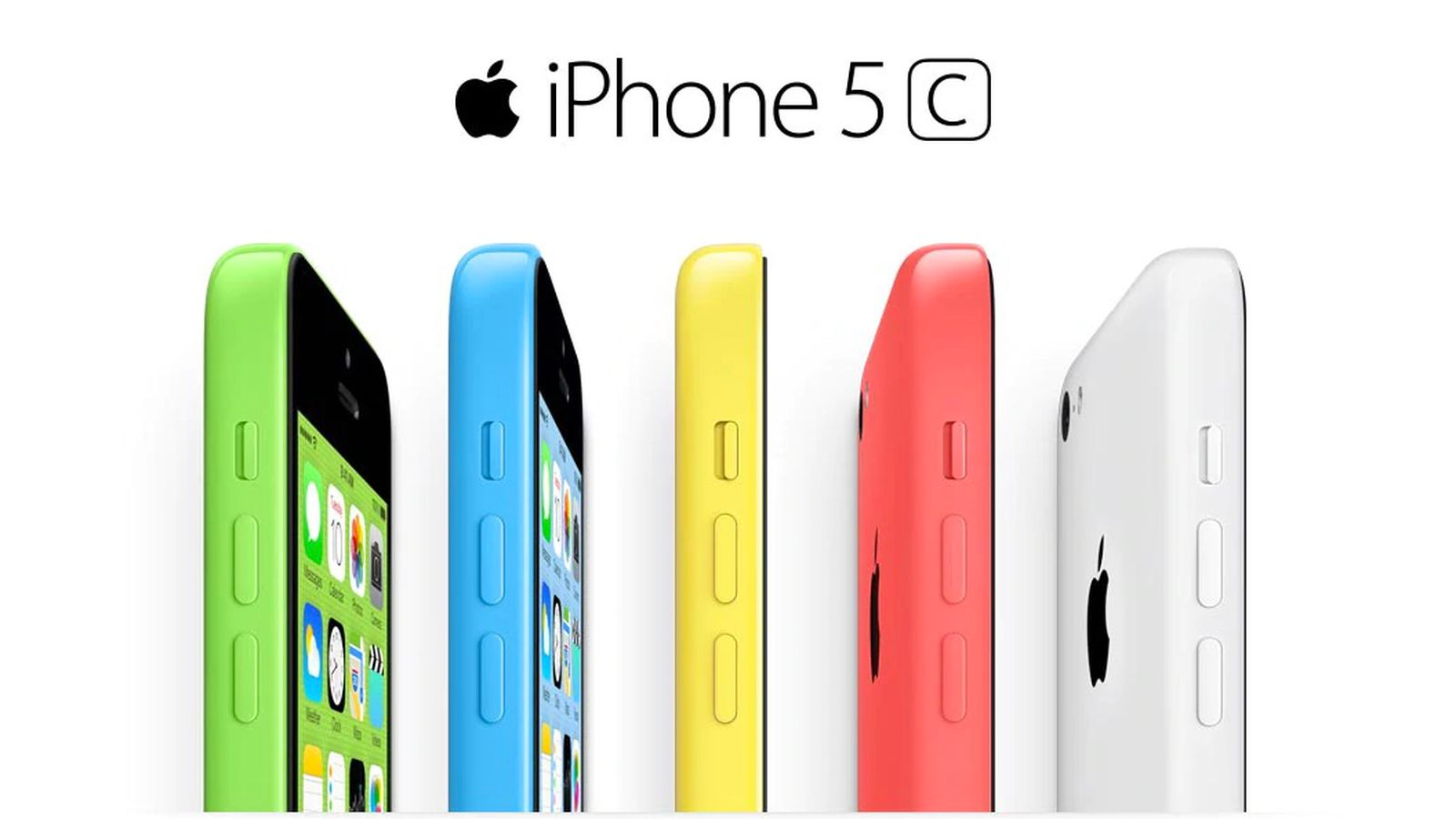
The iPhone 5C was Apple's first budget-friendly option, offering the same internal hardware as the iPhone 5 but in a range of vibrant colors.
iPhone 6 (September 19, 2014)
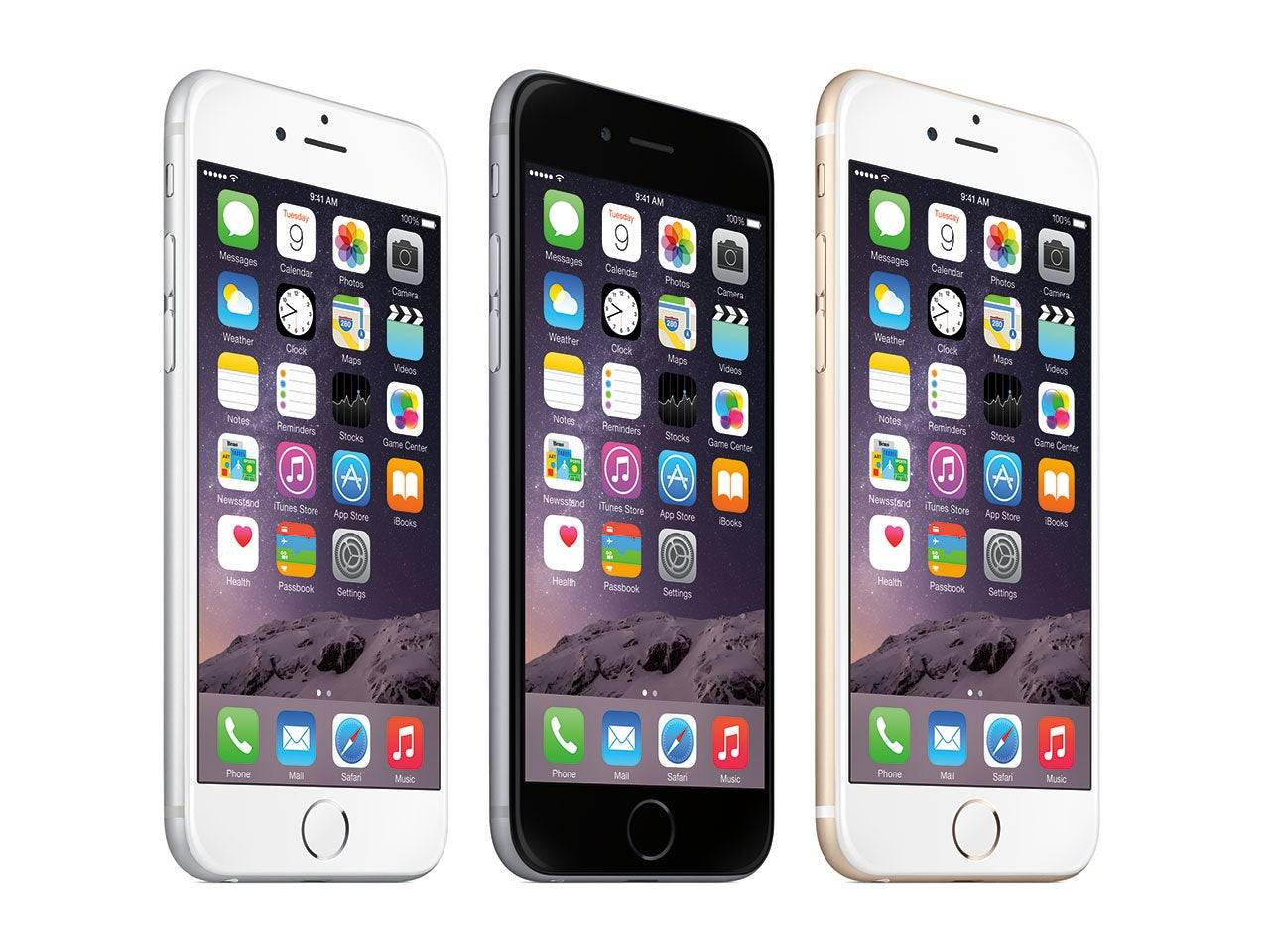
The iPhone 6 featured a sleeker design and introduced Apple Pay via NFC technology. It also marked the beginning of multiple models per generation, with the larger iPhone 6 Plus.
iPhone 6S (September 25, 2015)
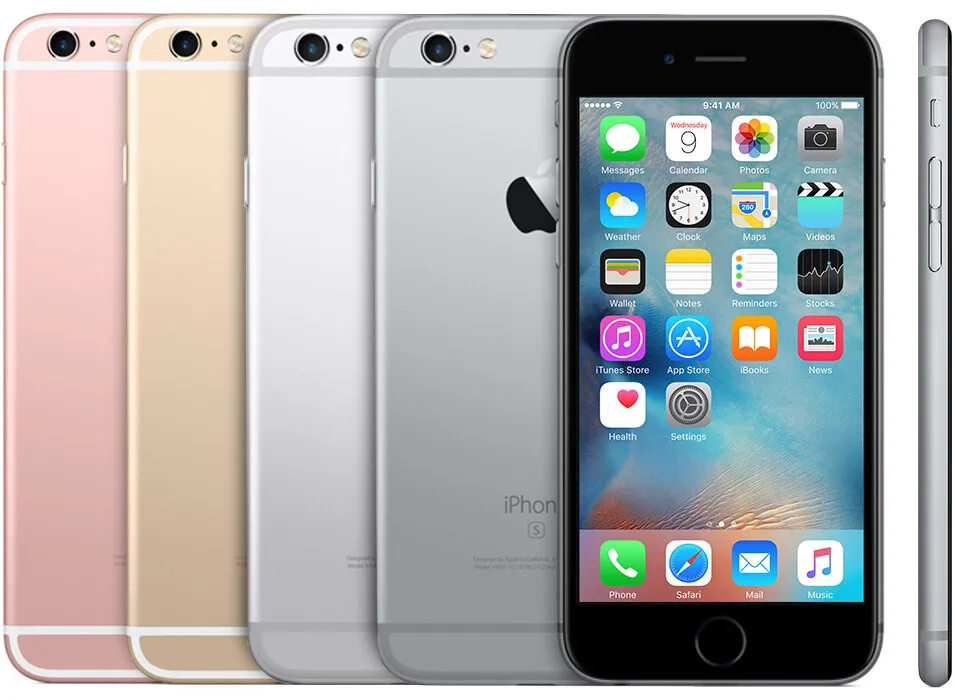
The iPhone 6S introduced 3D Touch, allowing for pressure-sensitive commands, and 4K video recording capabilities.
iPhone SE (March 31, 2016)
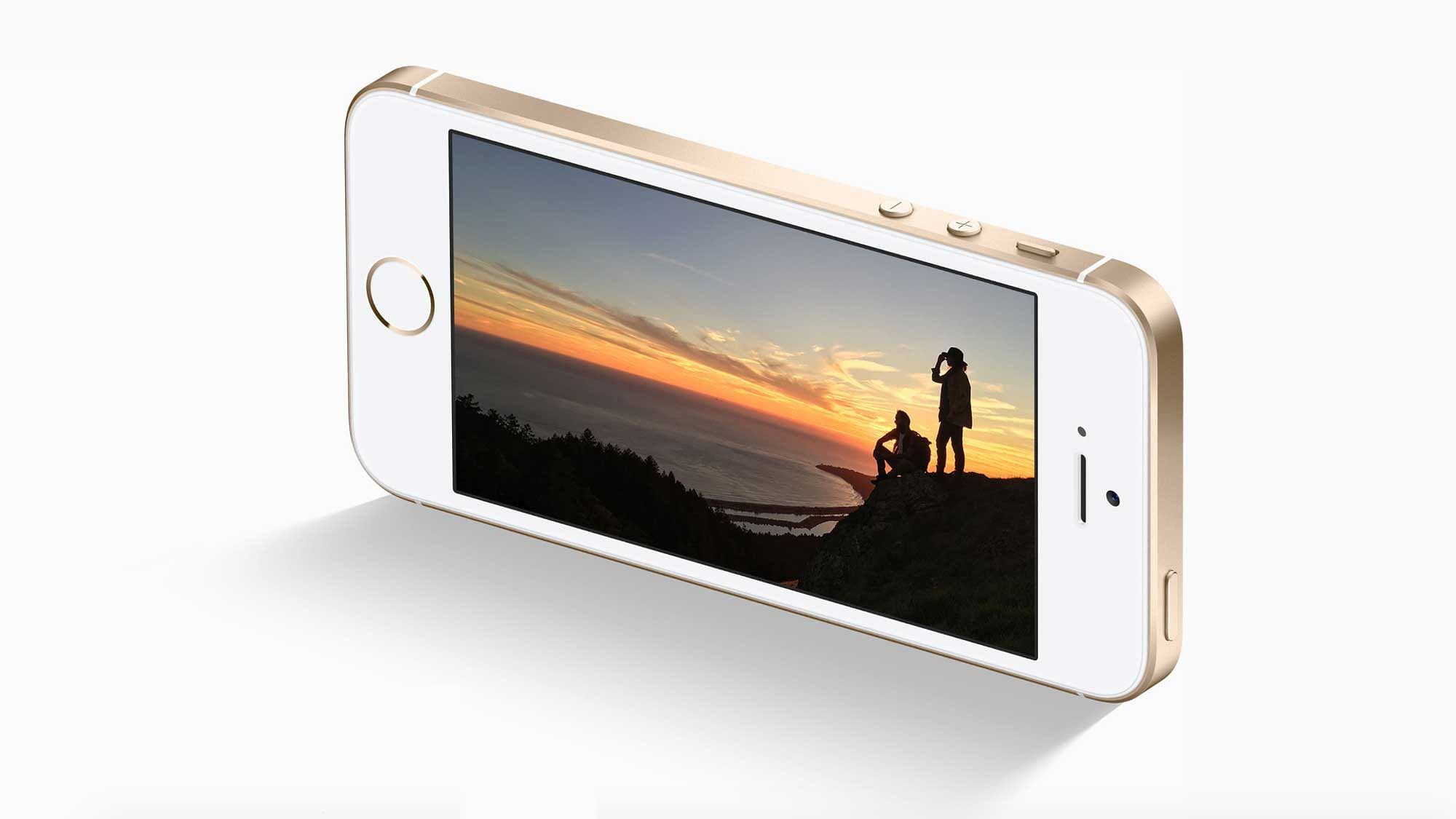
The first iPhone SE revived the iPhone 5S design with updated internals, offering a compact and affordable option.
iPhone 7 (September 16, 2016)
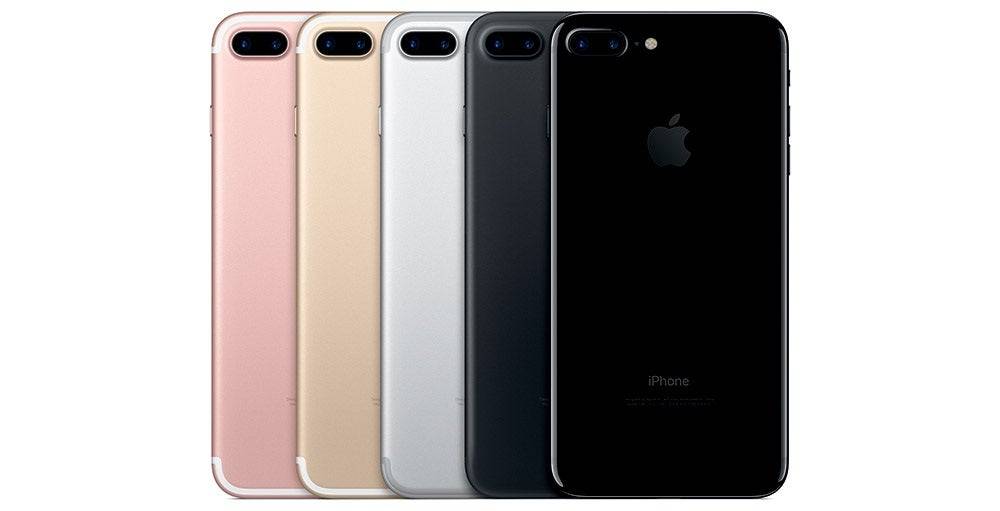
The iPhone 7 controversially removed the headphone jack, shifting to Bluetooth or Lightning audio. It also added water resistance and a Taptic Engine home button. The iPhone 7 Plus introduced a dual-camera system.
iPhone 8 (September 22, 2017)
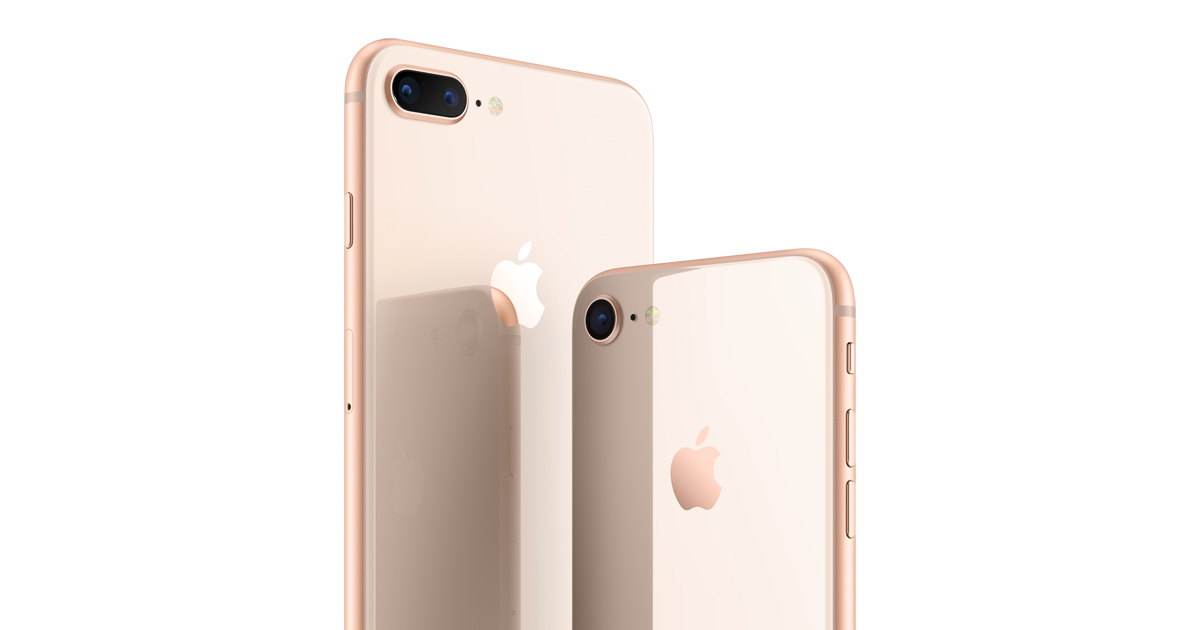
The iPhone 8 added wireless charging and a True Tone display, which adjusts color and brightness based on ambient lighting.
iPhone X (November 3, 2017)
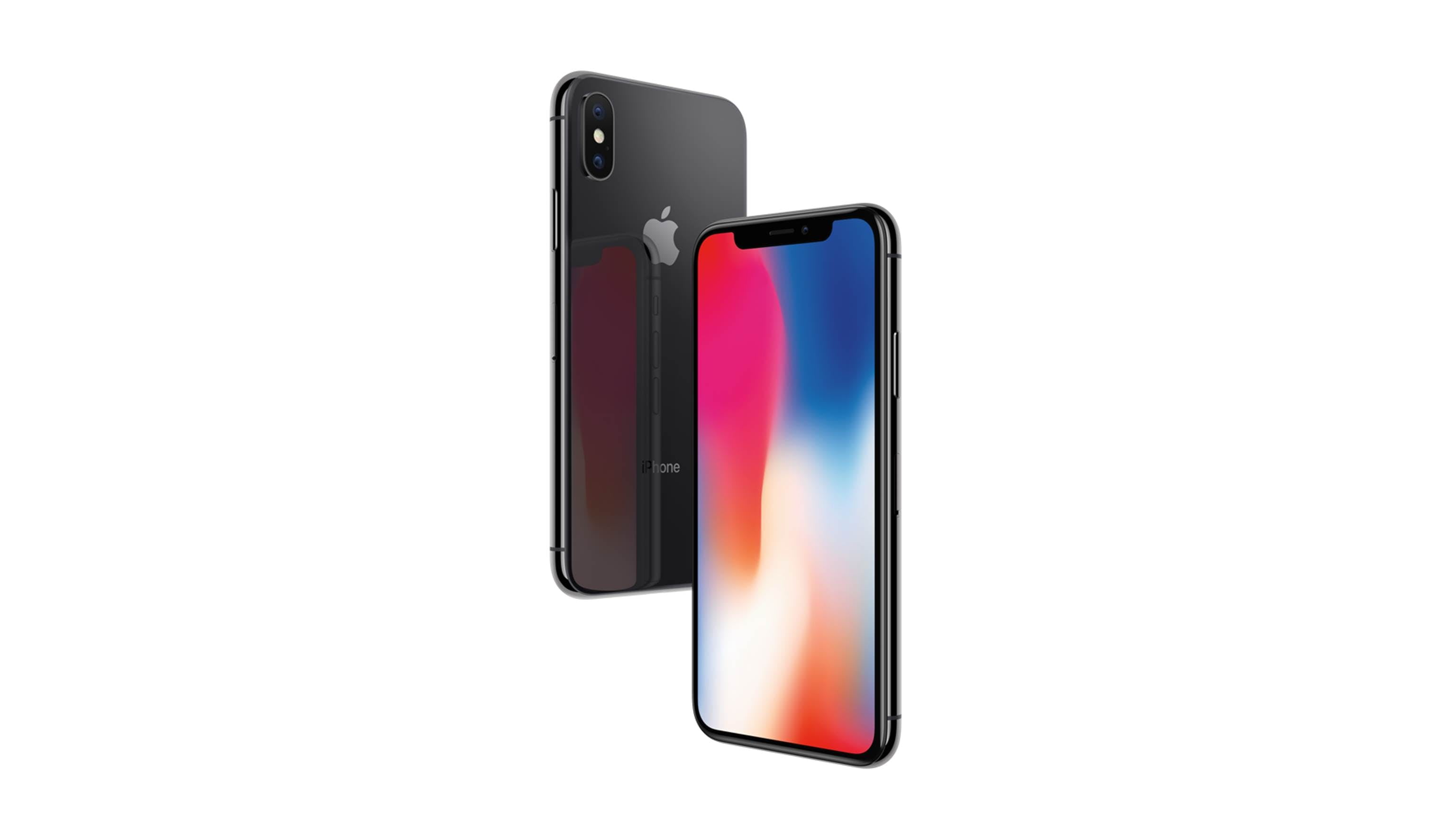
The iPhone X marked a significant design change, removing the home button for an all-screen design and introducing Face ID facial recognition.
iPhone XS (September 21, 2018)
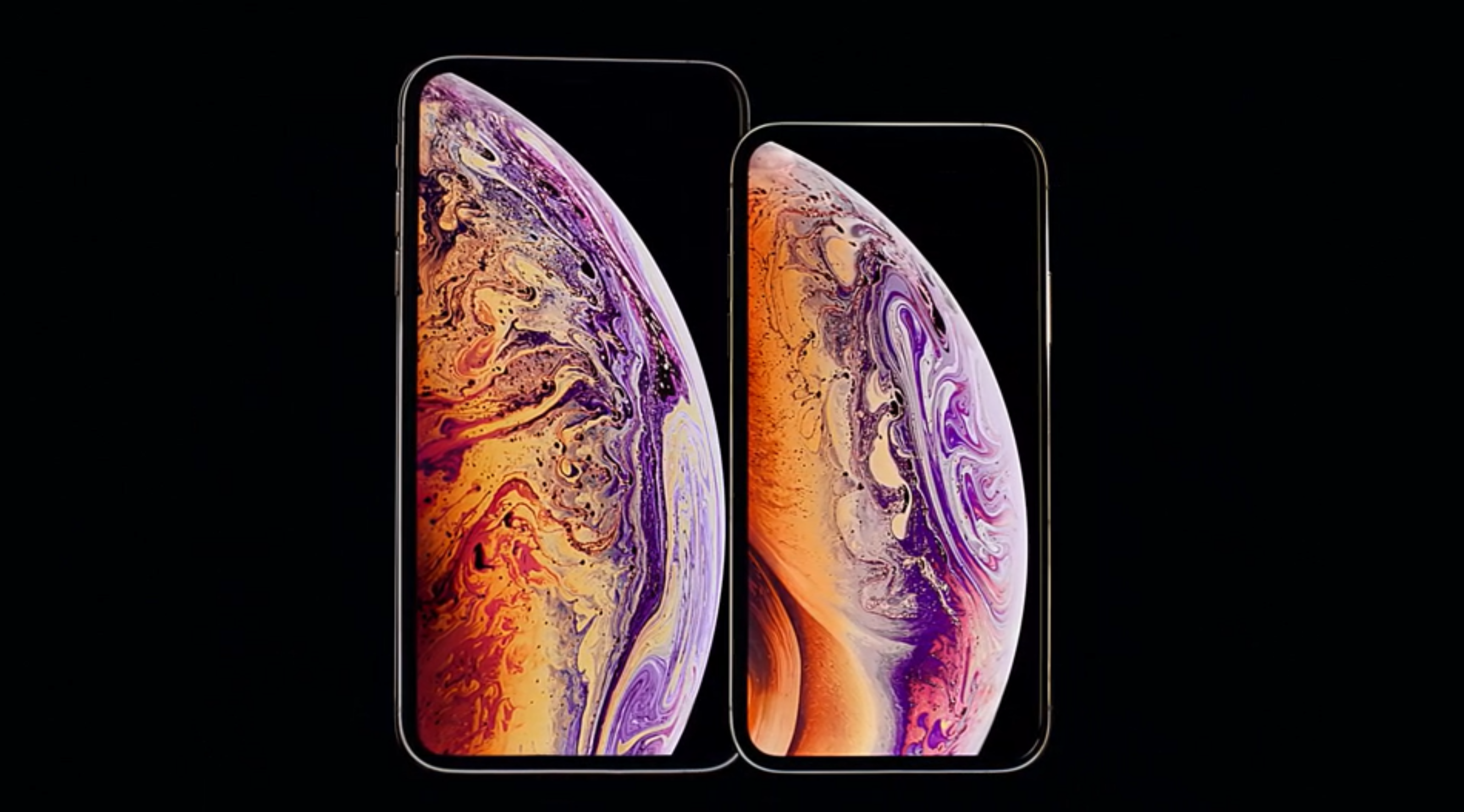
The iPhone XS offered incremental improvements over the iPhone X, notably adding dual-SIM support.
iPhone XR (October 26, 2018)
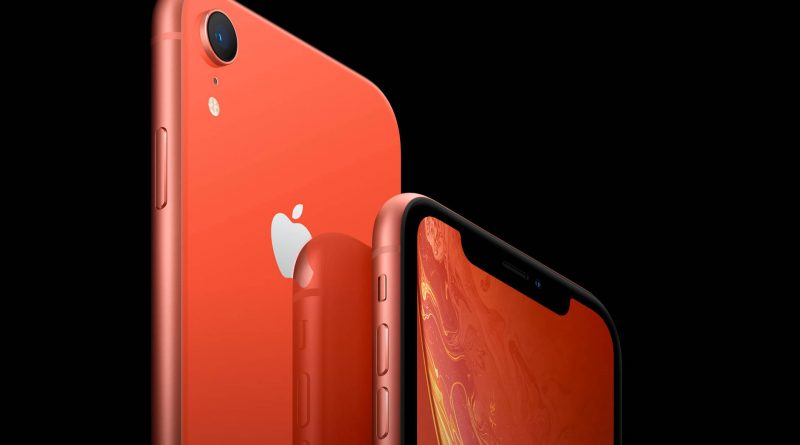
The iPhone XR provided a more affordable option with an LCD display and single rear camera.
iPhone 11 (September 20, 2019)
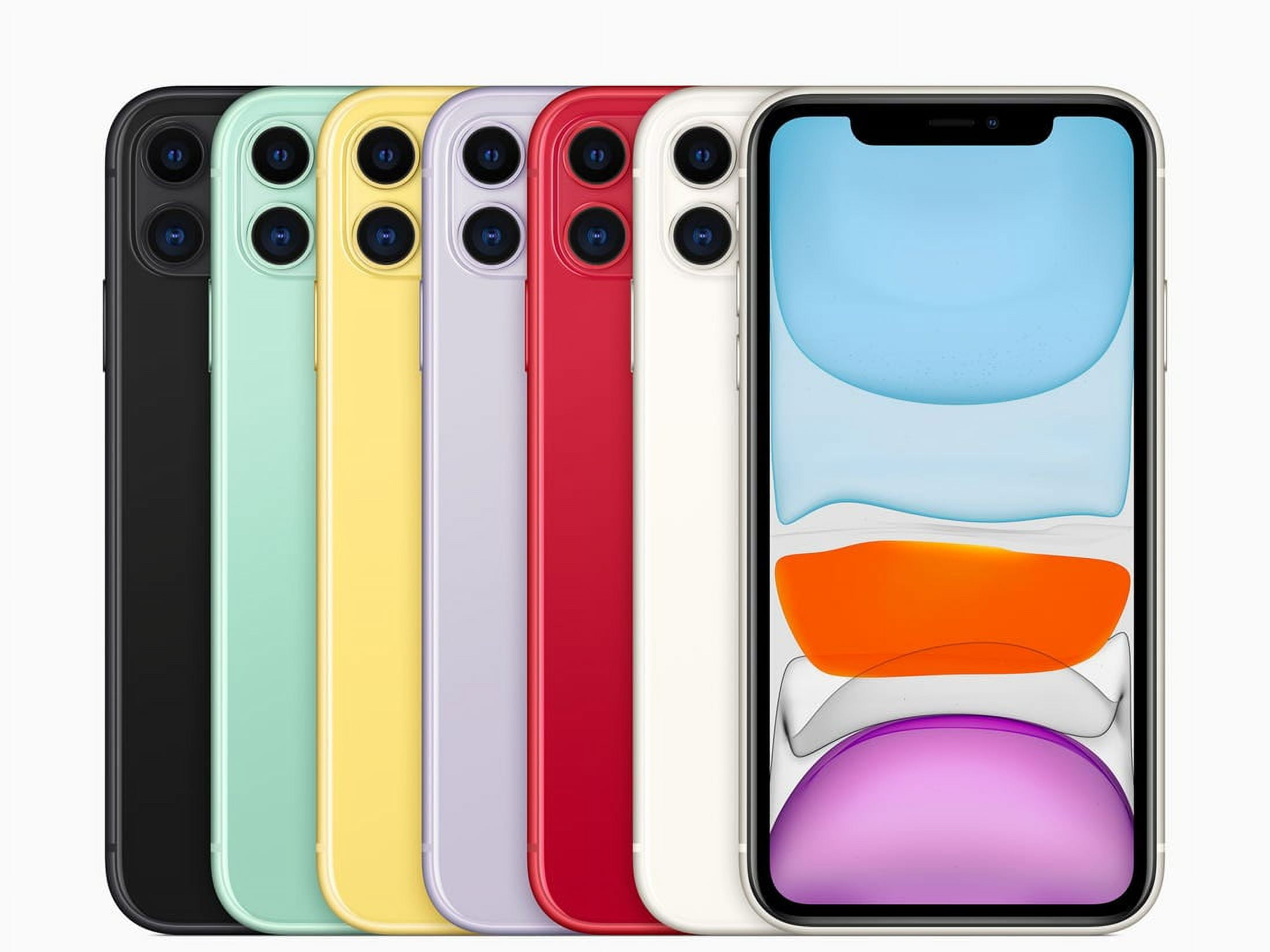
The iPhone 11 featured a larger 6.1-inch display and an ultrawide camera. It also introduced Pro models with enhanced features.
iPhone SE (2nd Gen) (April 24, 2020)
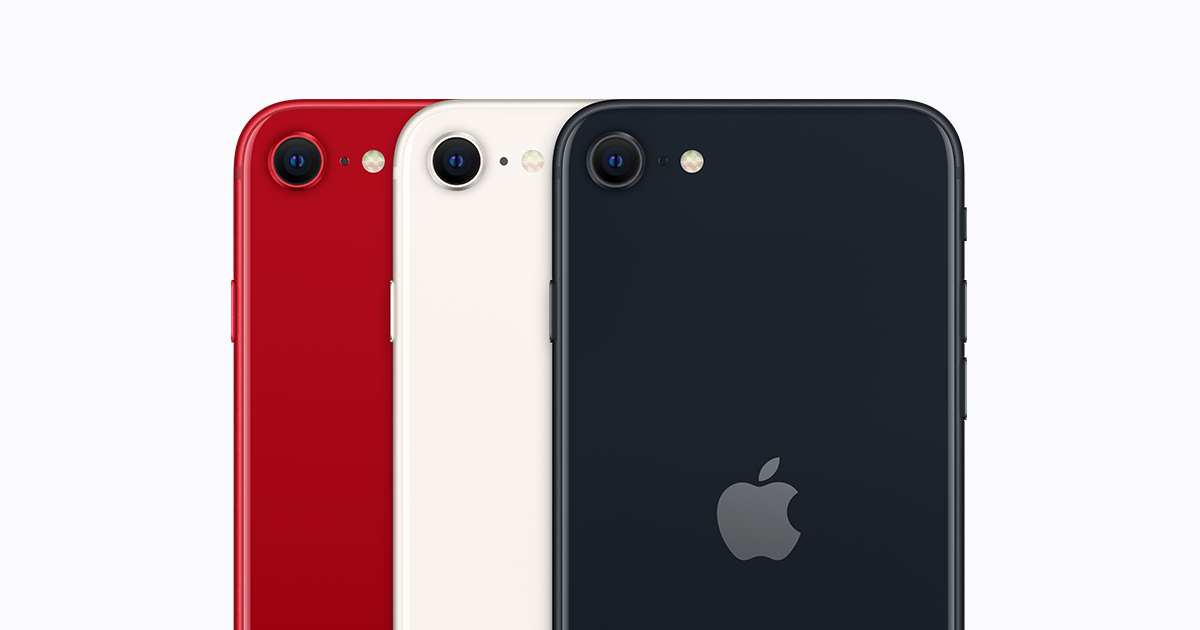
The second-generation iPhone SE offered significant performance improvements with the A13 Bionic chip and a larger display.
iPhone 12 (October 23, 2020)
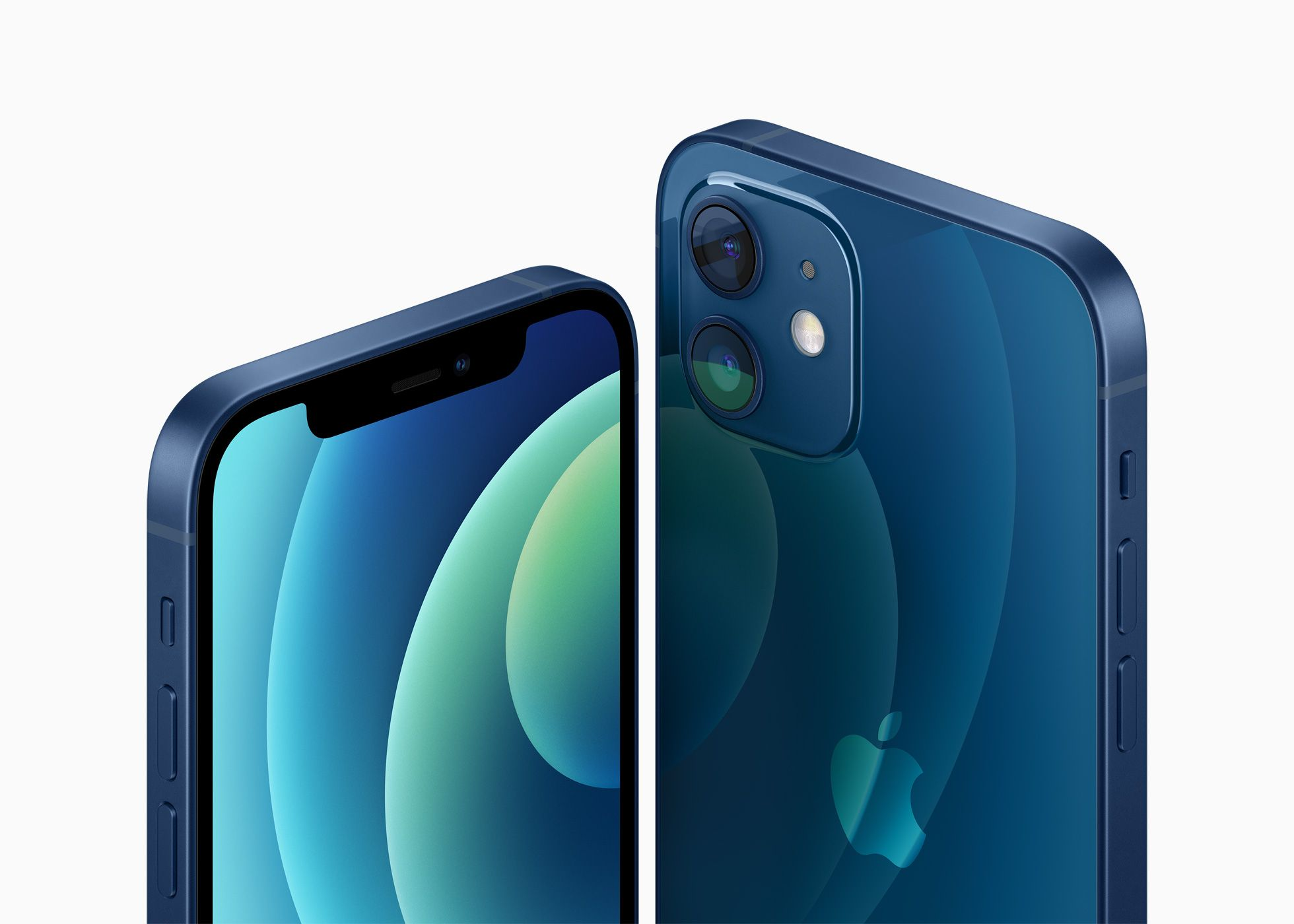
The iPhone 12 introduced MagSafe magnetic charging and a Ceramic Shield for enhanced durability.
iPhone 13 (September 24, 2021)
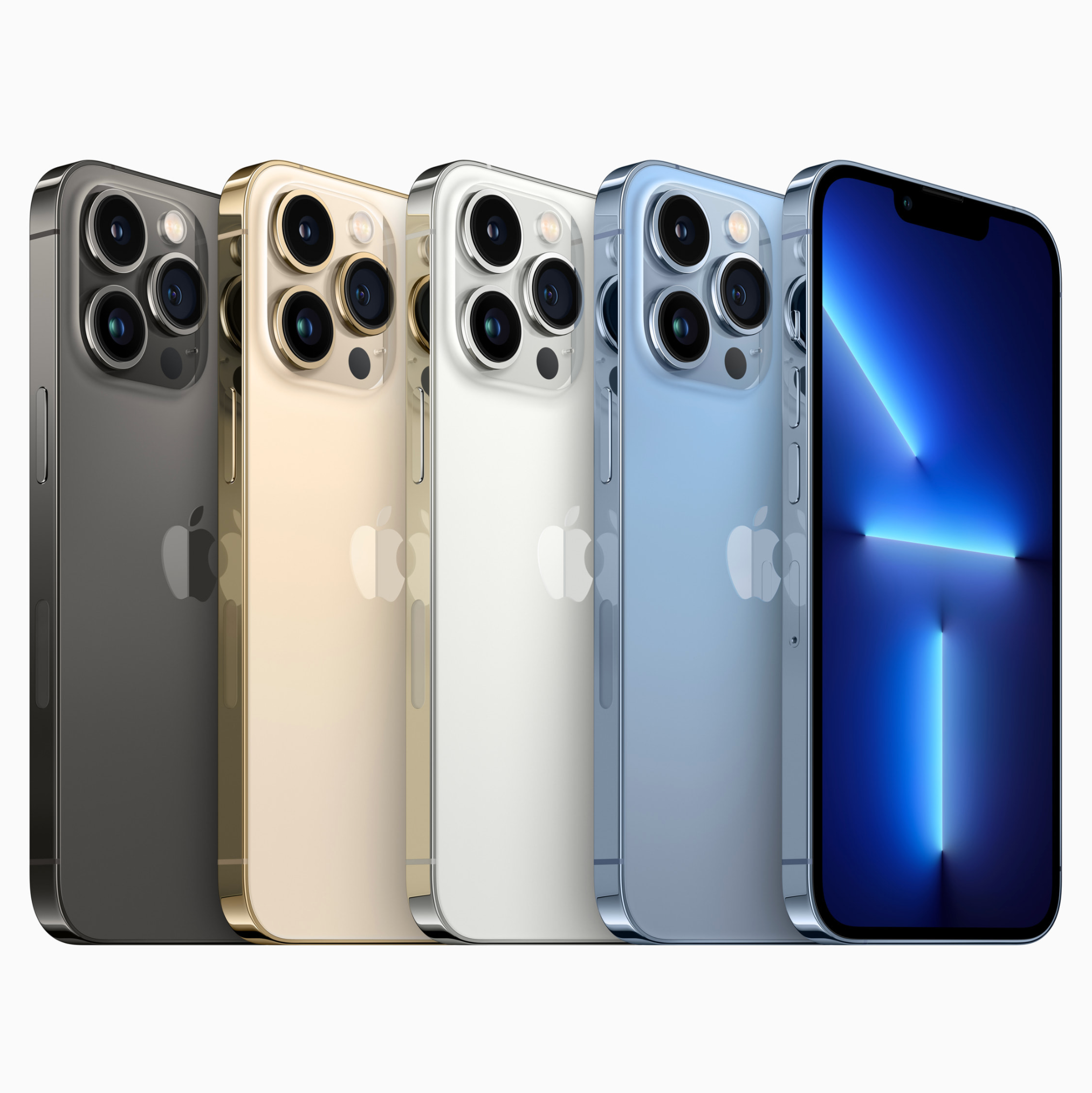
The iPhone 13 boasted improved battery life and new photographic features like Cinematic Mode. Pro models featured ProRes video.
iPhone SE (3rd Gen) (March 18, 2022)
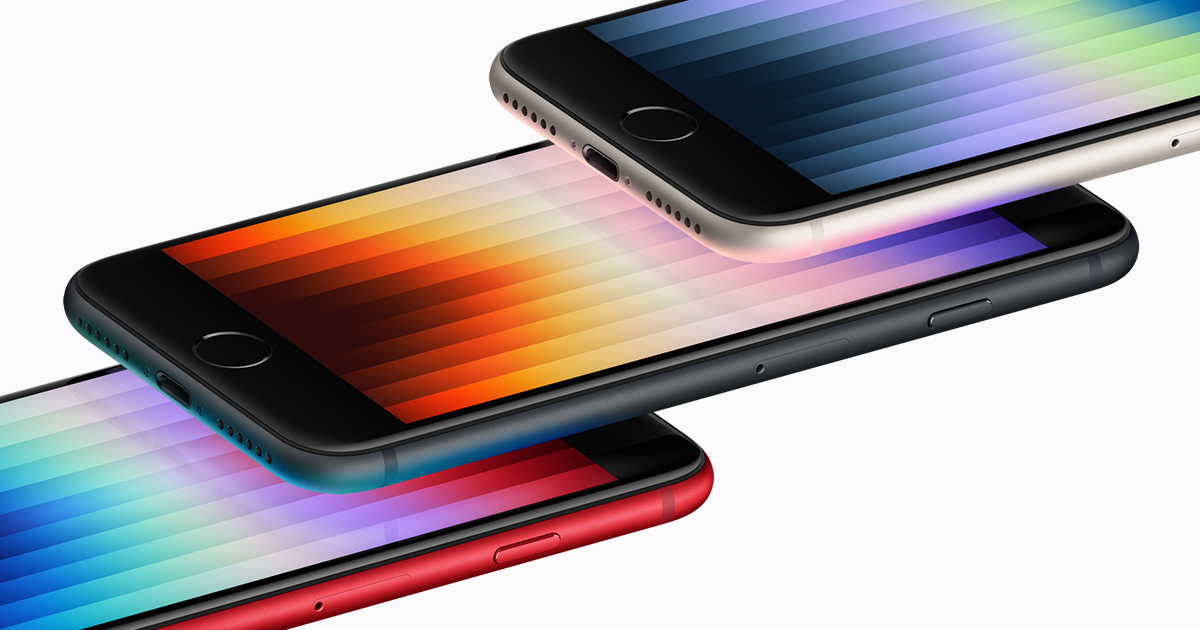
The third-generation iPhone SE brought back the home button and added 5G connectivity.
iPhone 14 (September 16, 2022)
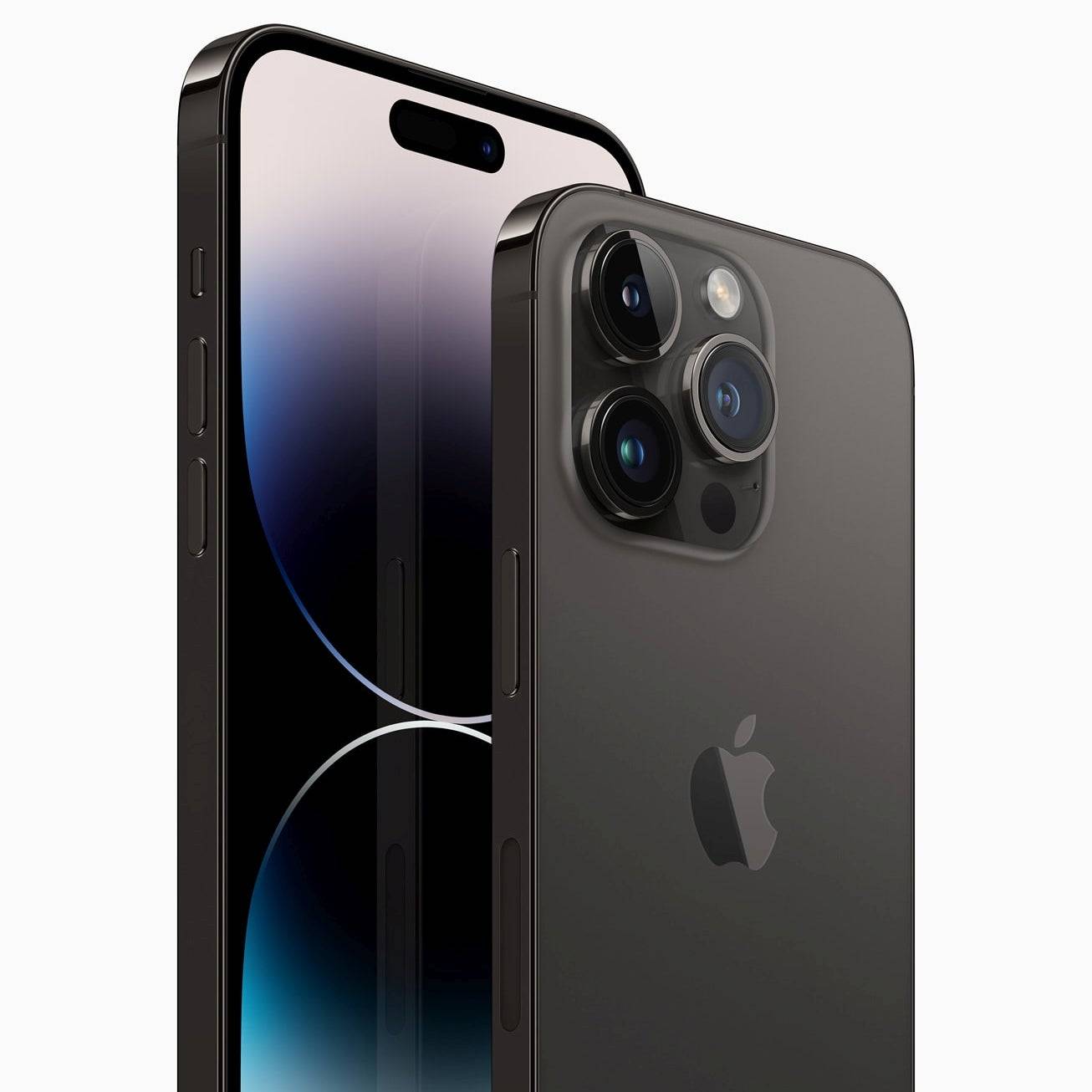
The iPhone 14 introduced Emergency SOS via satellite and upgraded camera systems.
iPhone 15 (September 22, 2023)
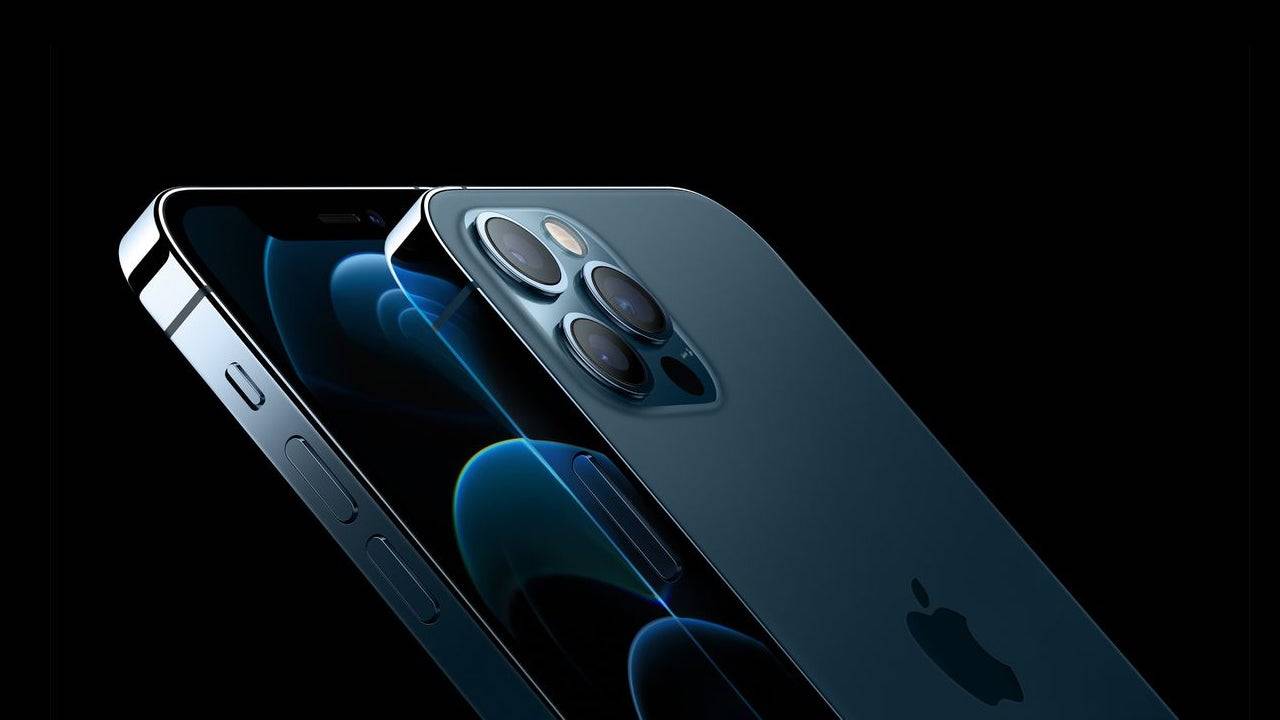
The iPhone 15 shifted to USB-C charging and brought notable updates to the Pro models.
iPhone 16 (September 20, 2024)
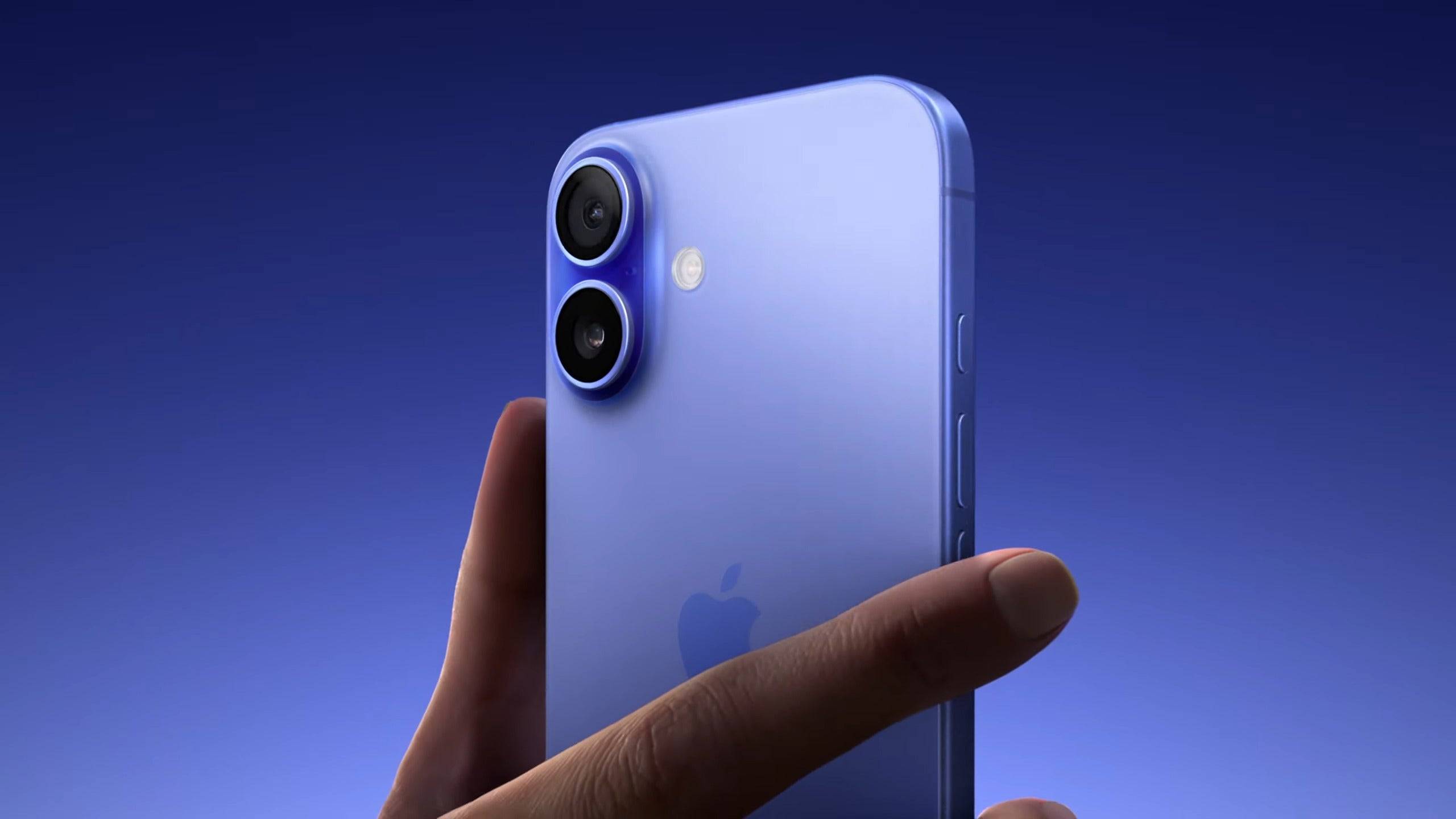
The latest iPhone 16 generation features enhanced CPU performance, a customizable action button, and Apple Intelligence integration.
Looking Ahead to the iPhone 17
While the iPhone 16 is fresh on the market, anticipation for the iPhone 17 is already building. A September 2025 release is likely.
This comprehensive overview covers every iPhone generation, highlighting key features and innovations that have shaped the mobile technology landscape.
Latest Articles

Delicious: Truth's Taste Joins Cooking Game Series
Delicious: Taste of Truth is now available on mobile as the newest addition to the long-running GameHouse Original Stories series. This time, Emily, Patrick, and their children embark on a road trip across the American South.A family vacation takes a
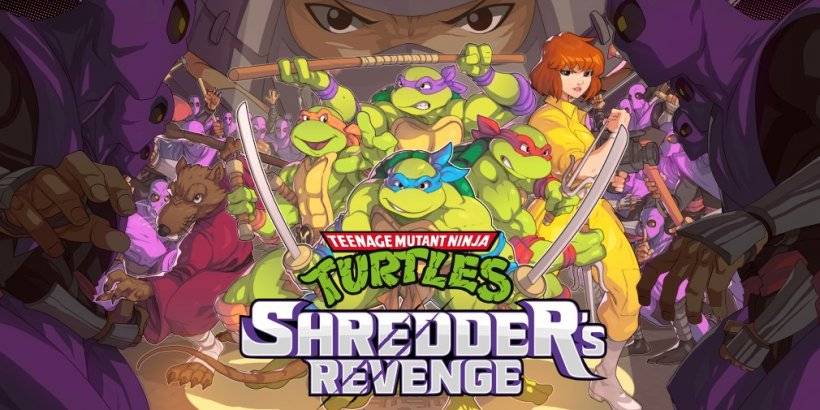
TMNT: Shredder's Revenge Heads to Mobile This Year
Pre-registration is now live for TMNT: Shredder’s RevengeBoth DLC packs are included from day oneLaunches on Android and iOS on April 15thTeenage Mutant Ninja Turtles: Shredder’s Revenge is hitting mobile, bringing its classic arcade brawler action t
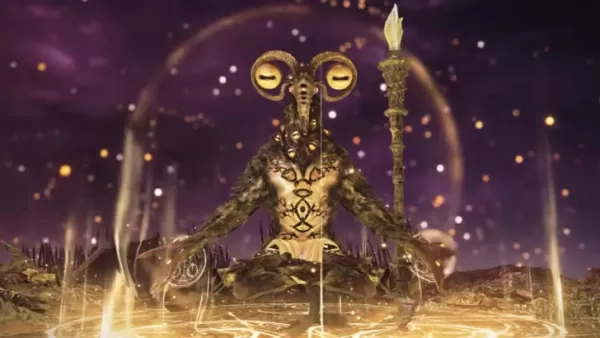
Elden Ring's Nightreign Libra Evokes Ben 10 Nostalgia
Elden Ring Nightreign's Libra boss reveal has players drawing hilarious parallels to Ben 10's Grey Matter character. Discover why fans are making this unexpected comparison and learn about this terrifying goat-like Nightlord's devastating abilities.E

Elden Ring Nightreign Patch 1.01.3 Fixes Key Bug
The Elden Ring Nightreign Patch 1.01.3 is now available across all platforms, delivering targeted tweaks and bug fixes that have been well-received by the community.This update features a key balancing change: "Improved drop rates for weapons with th

Monster Hunter Now Winterwind Season 4 Launches
Season 4 of Monster Hunter Now, titled Roars from the Winterwind, is now liveDiscover fresh gameplay elements including a new biome, formidable monsters, an additional weapon, and moreThe update also introduces fully customizable Palico companions to

Warhammer 40K: Space Marine 2 DRM-Free, No Denuvo
Saber Interactive has confirmed that Warhammer 40,000: Space Marine 2 will launch without any additional digital rights management (DRM) software. Stay tuned to learn what the game offers as its official release approaches!Warhammer 40K Space Marine
Latest Games



Argon: Modern Retro Gaming
Action丨66.18M

Farm Jam Mod
Simulation丨201.62M

My New Neighbors
Casual丨1607.68M

Draw Puzzle
Word丨214.3 MB

Secret 7 Slots - Free Casino
Card丨19.90M

Lust Trainer RPG
Sports丨40.00M
![After Guardian Angel [remake '17]](https://imgs.21all.com/uploads/77/1731989317673c0f45bdf26.jpg)









Top News
MORE +


01
05-04
Nintendo Switch 2 Price Set at $449.99 in April 2025 Direct
Nintendo has officially unveiled the price for their much-anticipated next-generation console, the Nintendo Switch 2. During the April 2025 Nintendo Direct, it was confirmed that the Nintendo Switch 2 will be priced at $449.99. This exciting announcement has fans buzzing with anticipation. Dive deep
02
05-26
Enhance Your MU Immortal Experience with BlueStacks Features
MU Immortal captures the essence of classic MMORPG gameplay that fans adore—leveling up, enhancing stats, and crafting your ideal character. Designed primarily for mobile, the game truly shines when played on a PC using BlueStacks, thanks to an array of tools that streamline and enhance your gaming
03
05-16
"Clair Obscur: Expedition 33 Hits 1 Million Sales in 3 Days"
Clair Obscur: Expedition 33 has taken the gaming world by storm, achieving a phenomenal opening weekend by selling over 1 million copies just three days after its launch. This remarkable feat cements its status as the highest player-rated game of early 2025. Dive deeper into the journey of this grou
04
04-21
Roblox Anime Genesis: January 2025 Codes
Dive into the thrilling world of Anime Genesis, a dynamic tower defense game on Roblox where you assemble a squad of your favorite anime characters to fend off menacing monsters. Whether you're tackling levels solo or teaming up with friends, you'll earn gems that you can use to summon new heroes, e
05
03-05
How to Get Rod of the Exalted One in Fisch
Unlocking the Rod of the Exalted One in Fisch: A Comprehensive Guide
Only a handful of fishing rods in Fisch are freely obtainable through quests. The Tides of Gold update introduced a new free rod, but acquiring it demands significant time and resources. This guide details how to obtain the Rod o
Topics
More +