Psychology of Game Addiction Explained
Author : Aaliyah
Dec 17,2025
Video games have evolved far beyond simple entertainment. At their best, modern titles offer deeply immersive and endlessly replayable experiences.
But what keeps us engaged for hours, days, and even years? The clever integration of customization and reward systems is a major factor behind the enduring appeal of contemporary games.
Together with our friends at Eneba, we explore the psychology of gaming engagement—from character skins to progression-based unlocks, and how these mechanics tap into fundamental human drives. We promise it's a fascinating topic.
Progression Fuels Motivation
Unlocking new content does more than feel satisfying—it triggers genuine dopamine responses in the brain. Progress bars, level-ups, and cosmetic achievements are far from arbitrary design elements.
These are carefully crafted systems that motivate players to continue their journey. Whether climbing ranks in a competitive shooter or collecting rare in-game items, these mechanics provide clear objectives and regular feedback.
Games like Rainbow Six Siege exemplify this balance. Players return not just for the tactical action, but for the consistent sense of advancement and personalization. This explains why many purchase R6 credits through Eneba—not only for a fresh appearance but also for the added savings on digital currency.
The Importance of Customization

Personal expression in gaming has never been more significant. Whether selecting unique character skins, customizing loadouts, or creating personal emblems, players cherish opportunities to distinguish themselves. These features have evolved from optional extras to essential components of the experience.
The growth of digital marketplaces has made it simpler for players to access resources that expand their personalization options.
While customization rarely affects gameplay performance directly, it significantly strengthens a player's emotional connection to their character and environment.
Designed for Engagement
Many developers implement sophisticated progression systems to encourage regular play. Daily login bonuses, tiered battle passes, and seasonal rewards all promote consistent involvement. These features reward dedication and create a sense of belonging to a larger community, even with brief daily sessions.
This doesn't imply these systems are manipulative. Often, they provide genuine value by encouraging skill development, community interaction, and long-term investment. When combined with progression mechanics, customization adds a layer of personal commitment that non-interactive media can't match.
The Social Dimension
The social aspect plays a crucial role as well. Displaying rare items, exclusive unlocks, or special badges establishes in-game status. In competitive games, visual identity can communicate experience or preferred playstyles. These social signals drive continued progression, unlocking, and customization.
Even fellow players notice distinctive visual choices. This feedback cycle reinforces both player motivation and cultural identity within gaming communities.
Ultimately, the combination of customization and rewarding progression is a powerful driver behind modern gaming's appeal. This isn't necessarily negative—it demonstrates effective design. These elements foster lasting engagement by giving players ownership of their experience and a clear developmental path. Now you understand the mechanics behind the magic.
Latest Articles
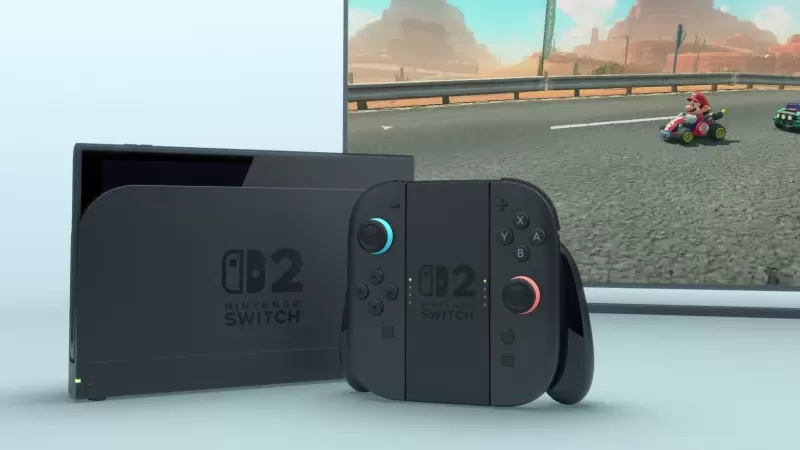
Japan Gaming Stocks Dive on Trump Tariffs
Japanese video game companies experienced a significant stock market downturn following President Donald Trump's announcement of new tariffs.White House officials indicated targeted reciprocal tariffs on approximately 60 nations deemed "worst offende
It And Annabelle Writer-Producer Secures Screen Rights For The Medium: 'Anything Bloober Develops Is Going To Push Horror Forward In Unique And Terrifying Ways'
It and Annabelle writer-producer Gary Dauberman is preparing to bring Bloober Team’s The Medium to the big screen.As reported by Hollywood Reporter, Dauberman has secured the film rights to Bloober's intense horror title, though a director and scree

Sinners Hits $350M, Released Digitally
Director Ryan Coogler continues his winning streak. As Eric Goldman notes in his IGN review: "Having mastered boxing dramas and superhero films, Coogler now conquers horror with the vampire period piece Sinners. And unsurprisingly, he delivers anothe

Monument Valley 3 Documentary Reveals The Making Of
Ustwo Games has released a short documentary, "Building the Impossible: The Making of Monument Valley 3." The game arrived on PC and consoles last week, and this new video offers a deeper insight into the creative process behind the latest puzzle-adv
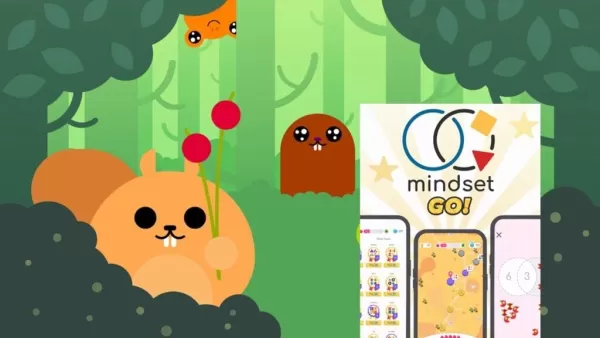
Mindset GO! Launches New Venn Diagram Puzzle Game
Mindset GO! elevates the smart-casual puzzle genre to a new level. Now available on Android, iOS, and the web, it merges keen observation with logical reasoning through a unique gameplay mechanic. Developed by Magicave, the game features a system rem
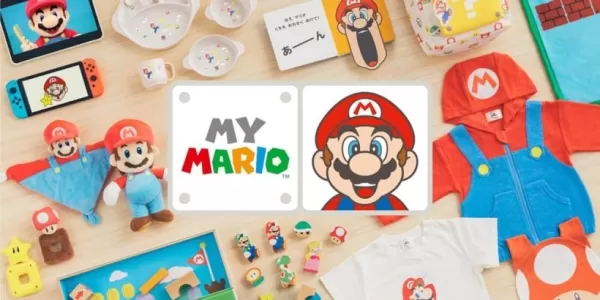
Hello, Mario! is a new made-for-kids app as part of Nintendo\'s big Mario push
Hello, Mario! is Nintendo’s latest venture into the Mario lifestyle experience.
It’s part of the new My Mario product line.
Gently poke, prod, or pinch Mario’s face—just like in the N64 version—to trigger a range of playful reactions. Those who grew
Latest Games
Secret Forest
Card丨28.10M


Lucky Devil
Card丨82.40M


Southern Poker
Card丨2.00M
Gabbys DollHouse Tiles Hop
Music丨66.80M









Top News
MORE +

01
02-03
Roblox: Anime Adventures Codes (January 2025)
Anime Adventures Codes: A Comprehensive Guide to Free Gems and Rewards
This guide provides an up-to-date list of working and expired Anime Adventures codes in Roblox. Redeeming these codes grants valuable in-game gems and other rewards, giving you a head start in your adventure.
Updated January 5,
02
05-26
Enhance Your MU Immortal Experience with BlueStacks Features
MU Immortal captures the essence of classic MMORPG gameplay that fans adore—leveling up, enhancing stats, and crafting your ideal character. Designed primarily for mobile, the game truly shines when played on a PC using BlueStacks, thanks to an array of tools that streamline and enhance your gaming
03
05-16
"Clair Obscur: Expedition 33 Hits 1 Million Sales in 3 Days"
Clair Obscur: Expedition 33 has taken the gaming world by storm, achieving a phenomenal opening weekend by selling over 1 million copies just three days after its launch. This remarkable feat cements its status as the highest player-rated game of early 2025. Dive deeper into the journey of this grou
04
04-21
Roblox Anime Genesis: January 2025 Codes
Dive into the thrilling world of Anime Genesis, a dynamic tower defense game on Roblox where you assemble a squad of your favorite anime characters to fend off menacing monsters. Whether you're tackling levels solo or teaming up with friends, you'll earn gems that you can use to summon new heroes, e
05
01-20
New DLC and Preorder for FANTASIAN
FANTASIAN Neo Dimension: DLC and Pre-order Information
While anticipation for extra content is high, a FANTASIAN Neo Dimension DLC or story expansion is unlikely. Mistwalker head Hironobu Sakaguchi has stated his preference against sequels, aiming for complete, self-contained gaming experiences.
Topics
More +